
Raphael McMahon examines the effect of tariffs on key materials and how rising costs are impacting the construction sector and will ultimately affect house prices
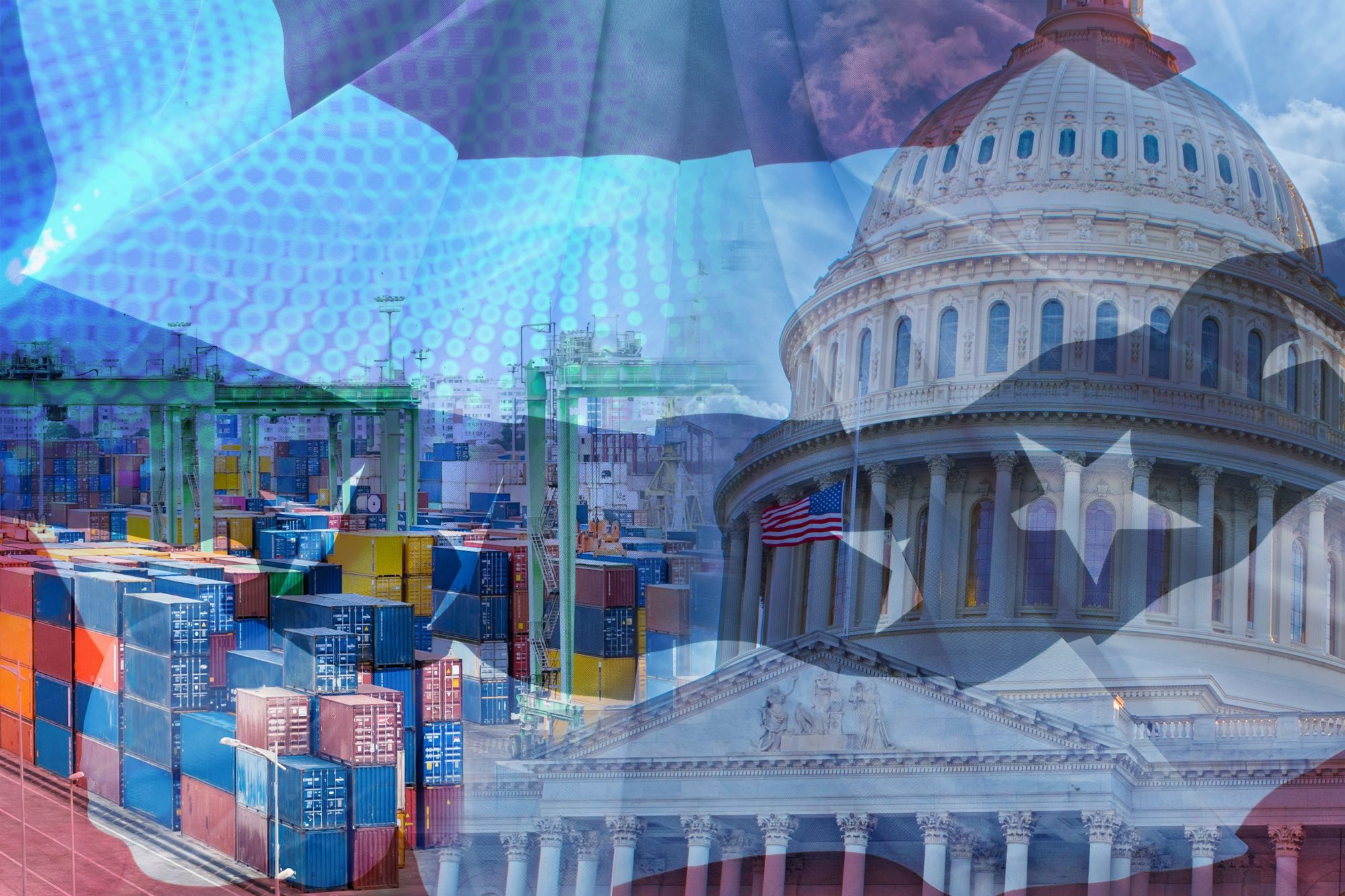
Since his re-election in November 2024, trade tariffs have been a cornerstone of US President Donald Trump’s agenda. On April 2, in fact, Trump announced a baseline tariff of 10% on imports from all countries.
However, countries deemed to have had unfavourable trade relationships with the US are subject to higher rates. 50% tariffs have been placed, for example, on Brazilian goods and 30% tariffs now apply to South African goods.
Tariffs have also been enacted on specific goods coming to the North American country, irrespective of their origin, including 50% tariffs on all steel, aluminium and copper imports.
Restrictions on steel and aluminium imports will, according to the White House, “protect America’s critical steel and aluminum industries, which have been harmed by unfair trade practices and global excess capacity”, allow the president to “adjust imports being brought into the United States in quantities or under circumstances that threaten to impair national security” and counteract “the decline of domestic aluminum production”.
Higher material costs, higher house prices
Although confusion emerged following the introduction of Trump’s measures, tariffs entail US-based importers paying more to import goods from foreign nations, which usually
leads to increases in the prices that regular consumers pay. In the case of the housing sector, for instance, more expensive imported materials mean higher building prices which, in turn, result in higher house prices for buyers.
This process seems to be playing out in real time. A July 2025 report from the Bank of America suggests that the cost of building a new home in the US could rise by 3%
by the end of the year, and that tariffs are largely to blame: “We expect tariffs to increase prices for HVAC [humidity, ventilation and air conditioning], plumbing, appliances, electrical components and flooring.”
“[The tariffs] may have an additional material impact on the cost structure of homebuilding in the US, perhaps by another 4%-10% increase in material alone depending on geographic location and the type of material being sourced,” said Stuart Siegel, CEO of real estate firm Engel & Völkers’ Americas operations, while in conversation with Reuters.
Why US construction is vulnerable
Tariffs are to blame for spikes in prices because the American housebuilding sector is not exclusively domestic. The National Association of Home Builders (NAHB) estimates that $204bn worth of goods were used in the construction of new multifamily and single-family housing in the US during 2024, $14bn of which were imported from outside the US.
The American construction industry, which employs over 8m workers, is particularly vulnerable to the 50% steel tariff; 28% of its net shipments in 2024 were iron and steel.
Clement Cazalot, CEO of Boston-based Machinery Partner equipment supplier, told PBC Today that it is not just construction materials affected by the tariffs. A large proportion of the machinery used on construction sites is itself “built from imported steel”.
“A bulldozer, crane or crusher can see costs rise 10%-30% rom tariffs alone … that means every job site pays more, not just for materials, but for the machines that move them,” Cazalot affirmed.
Turning to tech
Alex Sandoval, CEO of Allie AI, recommended, however, that the construction industry adapt to the changes in tariff policy by modernising through increased automation and
digitalisation.
“Tariffs create both risk and opportunity: for manufacturers in construction, the key is not simply to absorb the changes, but to build resilience. AI copilots help by capturing hard-won know-how and giving operators automated recommendations to ensure machines are always working at top performance,” Sandoval told PBC Today.
Those who leverage these tools, the CEO emphasised, will be those best positioned under the new tariff-based trade regime.
Industry pushback
Regardless, many in the industry appear unwilling to accept the existence of “the new trade regime” without pushback.
According to Cazalot, organisations affected by the tariff increase are looking to negotiate with the Trump administration to lessen the impact of tariffs: “The big equipment associations – Associated Equipment Distributors and Association of Equipment Manufacturers – have been pushing for carve-outs. They argue tariffs on machines don’t protect American steel; they only raise project costs.”
Although steel tariffs are likely to benefit American steel producers, the American construction industry depends on foreign sources for specific types of steel, such as those
used in pipes and tubes that can withstand extreme temperatures and pressures, according to the Council on Foreign Relations.
Cazalot confirmed that, from the perspective of the American construction industry, tariffs are disadvantageous: “Domestic steel mills don’t make excavators or concrete plants. That work happens abroad. So tariffs raise costs but don’t add supply where it’s needed. Builders end up paying a tax without getting more equipment or materials.”
Canadian lumber
The rising cost of imported steel is not the only tariff-related strain on the American construction industry. This year, the US Commerce Department more than doubled its countervailing duties and nearly tripled anti-dumping duties on Canadian softwood lumber, raising the overall tariff rate to 35% – up from 14.5% just months ago.
Homebuilding that includes roofing, flooring and framing might be impacted by the sharp rise in softwood lumber prices. According to the Canadian government, whereas most American homes are framed with softwood lumber, the US does not produce enough material domestically for its construction needs.
The impact of such an increase on the American homebuilding sector is therefore likely to be far-reaching, given that approximately 30% of softwood lumber used in the US is imported, and Canada supplies approximately 85% of all US softwood lumber imports.
British Columbia Premier David Eby said in a written statement that the Trump measures will be responsible “for driving up housing costs for Americans who voted for a president who promised to lower costs”.
Cazalot seems to agree, comparing the effect of the Trump-imposed tariffs on the construction industry to that of the Covid-19 pandemic.
“Look at Covid: prices rose, margins shrank, but costs never rolled back. Tariffs act the same way; if they go away, don’t expect cheaper homes – only a pause before the next increase,” he concluded.