
Shin Nakamura, President of one to ONE Holdings Pte. Ltd, explores how Japan is taking the international lead on making scaffolding more sustainable
Construction is racing to slash emissions as the industry faces increasing pressure to improve its sustainability. However, one factor that is largely overlooked in achieving this is scaffolding.
Multiple studies have explored the greener potential of scaffolding, emphasizing the importance of analyzing life cycle assessments (LCA) of sustainability performance. Generally, scaffolding made of materials like wood tends to outperform its steel counterparts in terms of environmental impact at first glance. This comes as no surprise, considering that steel alone contributes to about 7% of global greenhouse gas (GHG) emissions.
However, the solution does not simply lie in replacing scaffolding materials but in taking a holistic yet comprehensive approach to managing the entire lifecycle. Moreover, this approach shouldn’t be grounded in simply measuring carbon emissions, but actively reducing them, too.
The case for taking a holistic view
Steel and aluminum are the two most commonly used materials for scaffolding globally. These provide durability and more reliability from a safety standpoint. In contrast, alternative materials like bamboo are notorious for their safety hazards, which is why some countries, such as Hong Kong, are moving to phase them out.
However, they come with their downsides from an environmental perspective. It’s known that mining metals like aluminum and steel takes a toll on the planet. Moreover, every ton of crude steel produced yields about 1.4 tons of carbon emissions. The International Energy Agency estimates that the emission intensity of crude steel production needs to drop by 60% by 2050.
There is also the concern of carbon emissions from transporting scaffolding materials and equipment. The weight-intensity of steel-based scaffolding means more carbon is emitted through transportation: multiple vehicles or trips may be needed to sufficiently bear the load, or even the heavier weight on its own can cause a truck to burn through more carbon dioxide.
Additionally, Scope 3 continues to take the goliath’s share of sustainability pressures when it comes to scaffolding. Sourcing materials, particularly aluminum and steel, manufacturing, transportation, and labor efficiency (i.e., assembly and dismantling) all compound scaffolding’s carbon footprint. That is why organizations need to take a look at the bigger picture, not just think about swapping materials, but reconfiguring the backdrop to scaffolding.
A comprehensive analysis of the value chain is needed, rather than focusing on individual optimizations that could have ripple effects and cause wider system inefficiencies.
Looking to alternative, more sustainable avenues
Fortunately, there are means of making scaffolding more sustainable. Japan is an excellent example of bringing this to fruition.
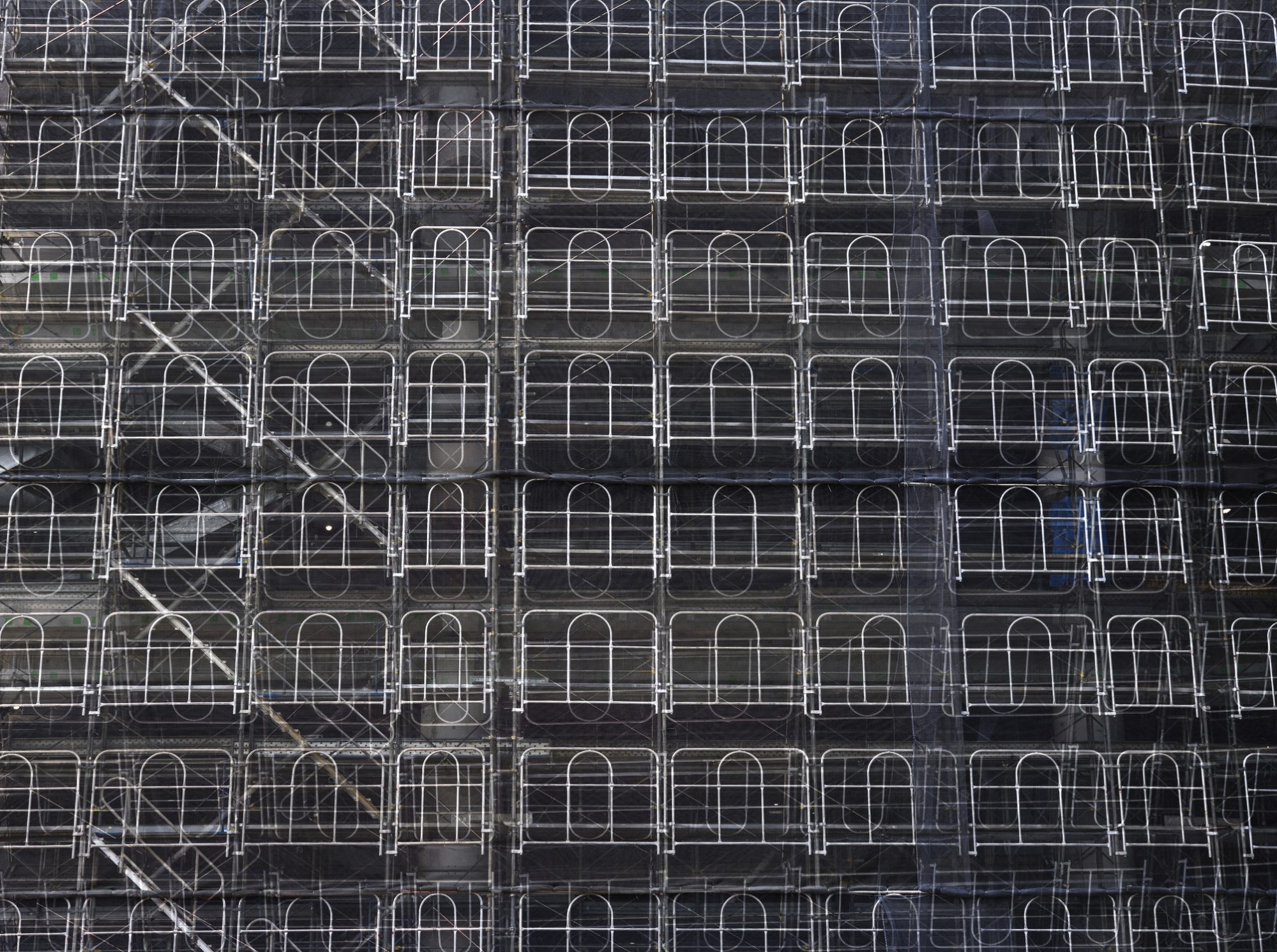
The country is known for being a pioneer of hybrid and lightweight scaffolding designed for maximum efficiency, which is 25% thinner and lighter than conventional models. Although these systems are about 33% more expensive by unit weight, the overall price per piece is the same due to lower material usage. There are other merits as well, in the form of faster setup times and lower transportation costs for the users.
What’s more, Japanese organizations have shifted their focus from carbon footprint measurement to reduction. This is against a changing regulatory backdrop. The Green Transformation Emissions Trading System was introduced to achieve carbon neutrality by 2050. This regulation also nurtures technological innovation and industrial competitiveness, incentivizing improvement efforts over static compliance.
This mindset and pursuit of lighter-weight scaffolding could help Japanese companies to balance scrap steel usage with new production demand. This is crucial, particularly in the context of scrap steel limitations. Often heralded as a key solution for a greener steel industry, scrap steel is not immune to shortfalls, particularly ongoing shortages that make meeting demand difficult.
Thanks to the manufacturing innovation for lightweight scaffolding, this avenue is helping Japanese companies slash carbon emissions during production and daily operations. Transporting the scaffolding is less carbon-intensive, and the scaffolding itself requires fewer materials, such as steel, in manufacturing. This helps construction companies actively address their carbon footprint across Scopes 1, 2, and 3.
Paving the way for global transformation
Even though these practices have proven benefits in Japan, they’re not being applied on a global scale. Countries around the world have yet to adopt similar kinds of measures for more sustainable practice when it comes to scaffolding.
But that doesn’t mean the need is less of a priority, especially when it comes to other linked challenges that mean there’s more pressure to innovate scaffolding. For instance, construction costs, including labor costs, are rising. Construction companies are therefore under pressure to minimize budget impacts and protect profit margins as much as possible. Added operational costs in the form of increased transportation requirements due to heavier, cumbersome scaffolding is one way that the pressure is multiplied.
On top of this, construction is responsible for almost 40% of global carbon emissions. Organizations cannot afford to ignore Scope 3 considerations, which also encompass how scaffolding is handled. There are increasing regulatory pressures coming into play. The European Union, for example, introduced new rules for the sustainability of construction products earlier this year.
Swifter, lighter, and reusable scaffolding materials made of alternative materials could prove crucial to companies looking to meet ESG targets and regulatory requirements. The way forward to driving this necessary improvement in scaffolding practices is through knowledge sharing and innovation partnerships. Companies and regions that are leading the way for developing and innovating scaffolding should join forces with their industry counterparts to bring this know-how to the global stage.
Scaffolding is just one small piece of the puzzle, but it has an important role to play in driving greener practices in construction, especially when transforming the entire value chain. Some countries, such as Japan, have already taken much-needed first steps in the right direction, but the rest of the world still needs to catch up. Isolated innovation is a barrier to widespread change on this front, which is why industry partnerships are crucial.