
With two phases of Awaab’s Law now in place, a consistent approach is essential to achieving the expected improvements
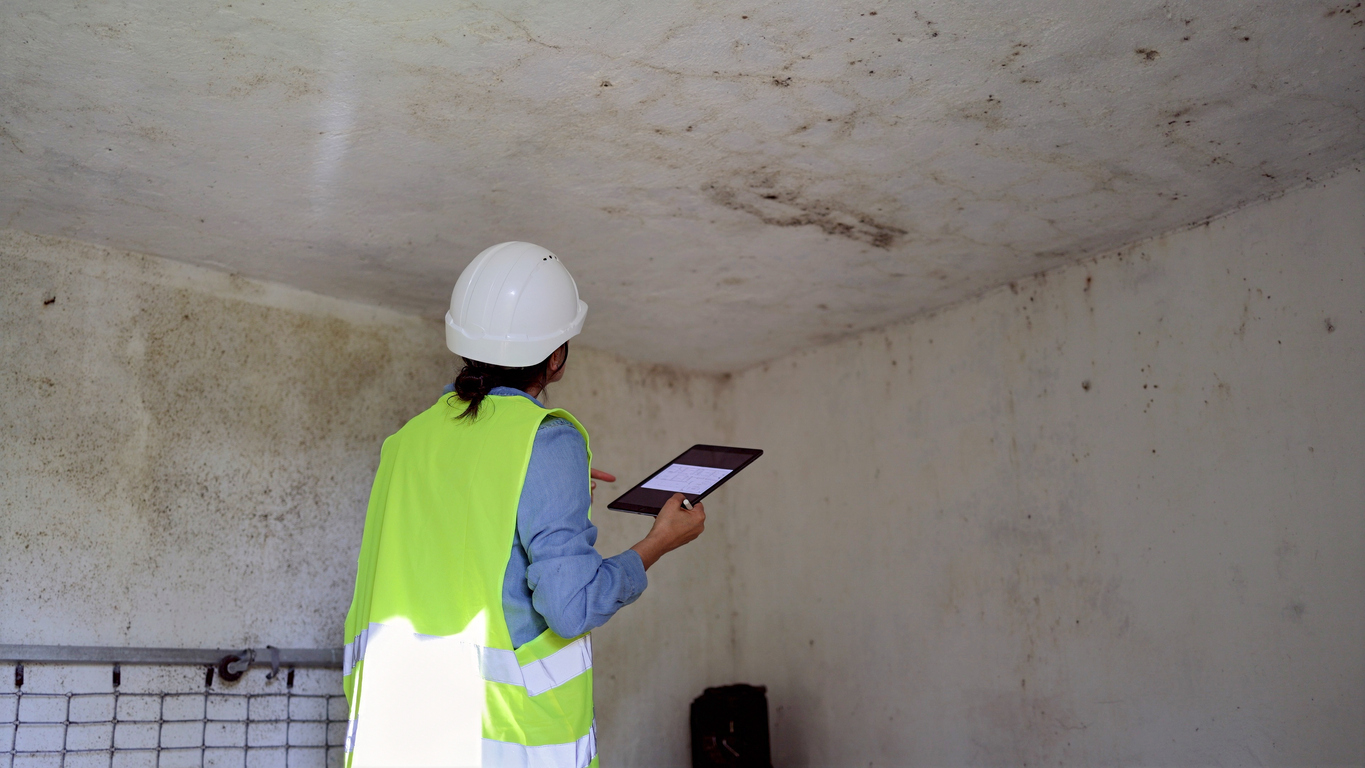
Cornerstone’s evidence-based data from surveys of more than 4,500 structures with reported damp, condensation, mould or heat-related issues confirms that the approaches to resolving these problems remain inconsistent.
Industry expertise is not formally synchronised when assessing and delivering building ‘improvements’ and, without tailored impact assessments for many installed elements, we risk recurring problems in the absence of fully understanding their effects.
This emphasises ‘knowledge’ as a key to future-proofing our approach to healthy buildings. Without SMART Knowledge providing simple, recognisable and credible explanations for everyday activities in all buildings, we believe the reported problems will persist and potentially worsen as buildings become warmer, more insulated and more tightly sealed.
Cornerstone recognises that specialist trades meet their respective regulatory requirements; however, recurring issues point to a lack of shared understanding of root causes.
Time to change from a Reactive process to a Proactive process
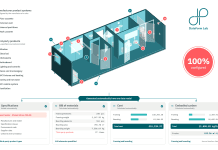
Cornerstone is sharing its evidence-based knowledge through a unique FREE Property Health App covering the key factors behind damp, condensation and mould. The app currently supports the initial phase of Awaab’s Law, enabling early identification and action, alongside a proactive plan for lasting solutions rather than quick fixes. And as Phase 2 comes into action, this scalable protocol can be the go-to platform for a uniform approach.