
Europe’s modular construction sector is moving beyond the question of whether offsite methods can work
The more pressing questions are how they can scale, how projects can cross borders more easily, and how manufacturers, developers, investors and policymakers can create the conditions for more predictable delivery.
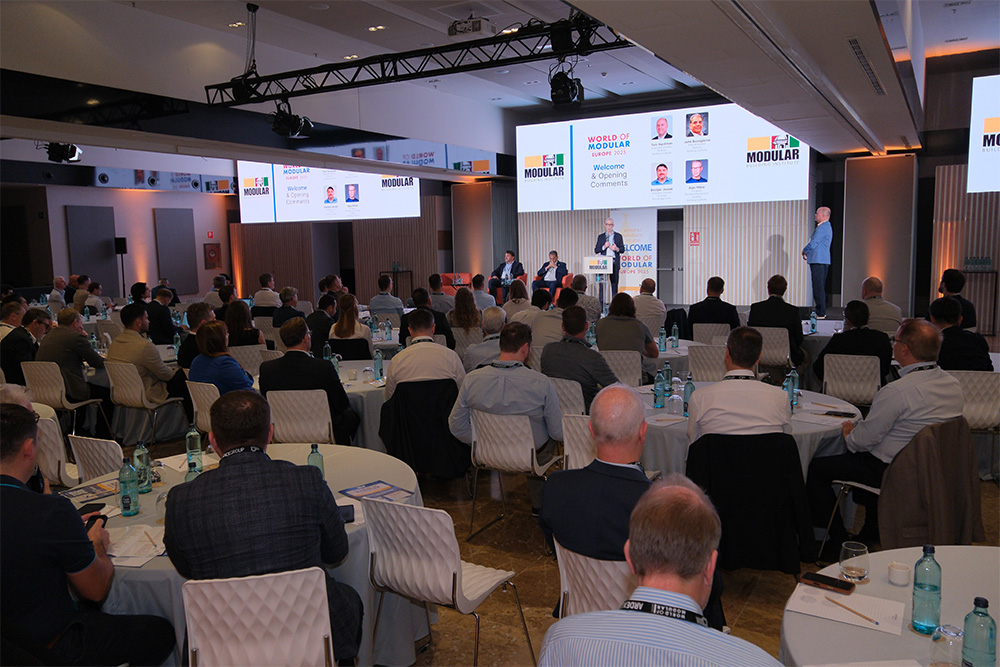
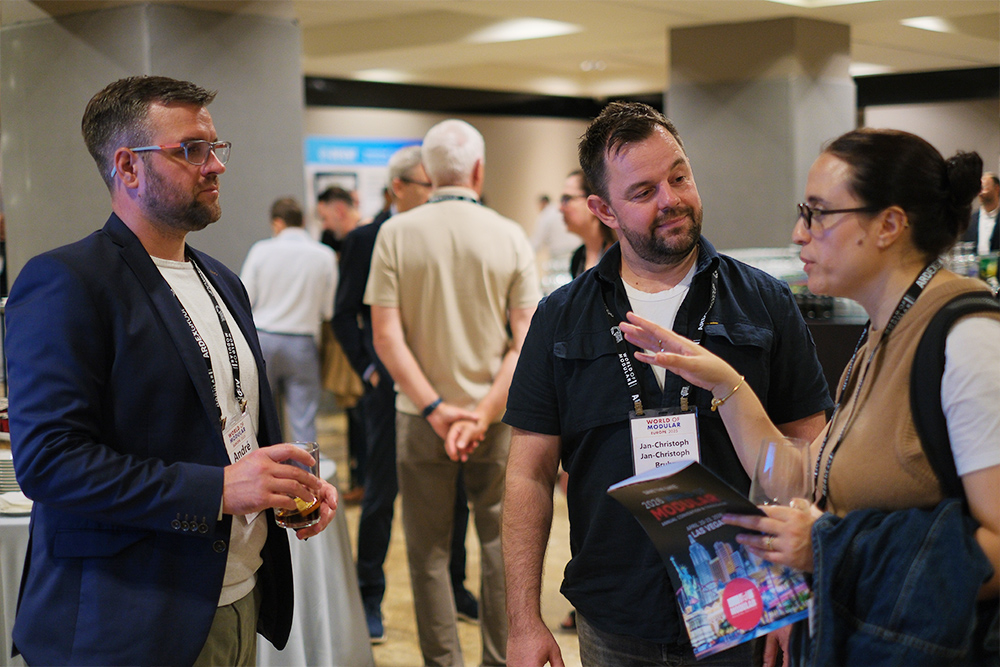
Those issues sit at the centre of the third annual World of Modular Europe, taking place from 12-14 October 2026 in Amsterdam at the Mövenpick Hotel Amsterdam City Centre. Hosted by the Modular Building Institute (MBI), the event will bring together modular and offsite construction professionals from across Europe, the UK, Asia and other international markets for three days of education, networking, exhibits and factory visits.
“The European modular industry has enormous technical capability, but its next stage of growth will depend on how well the industry connects that capability with policy, finance, standards and long-term demand. World of Modular Europe gives people working across those areas a place to learn from one another, build relationships and turn good ideas into practical progress.” – Tom Hardiman, executive director of MBI.
From projects to scalable systems
The 2026 programme reflects an industry increasingly focused on scale. Sessions examine how modular businesses can move from individual projects to repeatable manufacturing and delivery models, with speakers addressing lean production, automation, digital workflows, DfMA, supply chains and product-led business models.
Tim Crowe of WrxFlo will look at data-driven factory strategies, while Randek chief operating officer Ola Skoglund will address the sequencing of automation investments. Daniel Pollard of Spacemaker KSA will explore how design, procurement, manufacturing, logistics and installation can operate as a connected system. Delft University of Technology’s Dr Daniel Hall will examine industrialised construction as a wider ecosystem incorporating digital systems, platform thinking and sustainable business models.
Artificial intelligence also features prominently. Stack Modular’s Stuart Marshall will discuss the use of AI and generative design at the concept stage, where early decisions can determine whether a modular project remains aligned with DfMA requirements and factory constraints.
Housing, investment and the route to scale
Housing is another major strand, reflecting shortages and affordability pressures across European markets. A multi-stakeholder session led by BPD SmartBuilds will examine how finance, land, manufacturing and operations can support repeatable modular housing programmes.
Other sessions will explore institutional investment in industrialised housing, the Dutch flex-housing model and the lessons learned from industrialised renovation in Europe. Speakers include representatives from DWS, Rabobank, the Municipality of Amsterdam, Housing Europe, Ymere and the Dutch Ministry of Housing and Spatial Planning.
For UK and European attendees, these discussions should offer value beyond individual case studies by addressing the commercial and structural questions that often determine whether modular schemes progress from pilots to sustained pipelines.
European policy, regulation and standards
Regulation is equally central. MBI Europe policy director Alex van der Laan and regulatory affairs manager James Hammersley will lead sessions on European policy, the EU Circular Economy Act and Digital Product Passports. Their focus includes circularity, reuse, resource efficiency and how the modular industry can engage with policymakers as new rules develop.
A standards panel will bring together the International Code Council, the British Standards Institution and CSA Group to examine national and international approaches to modular and offsite standardisation and the potential for greater alignment across markets.
“Europe has the expertise and the demand, but companies still have to navigate different regulations, procurement structures and market expectations from one country to the next. Bringing manufacturers, designers, clients, researchers and policymakers into the same room helps us identify common challenges, share solutions and build the relationships needed to move the European industry forward.” – Alan Milne, MBI’s European membership director
Learning beyond the conference room
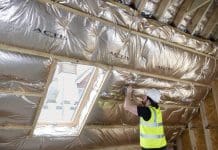
Technical sessions range from timber moisture resilience and insulation performance to structural engineering, cross-border timber modular design and the balance between standardisation and project-specific flexibility. MBI is also putting industry-academic collaboration on the programme, with a session examining how research, education and workforce development can better support commercial needs.
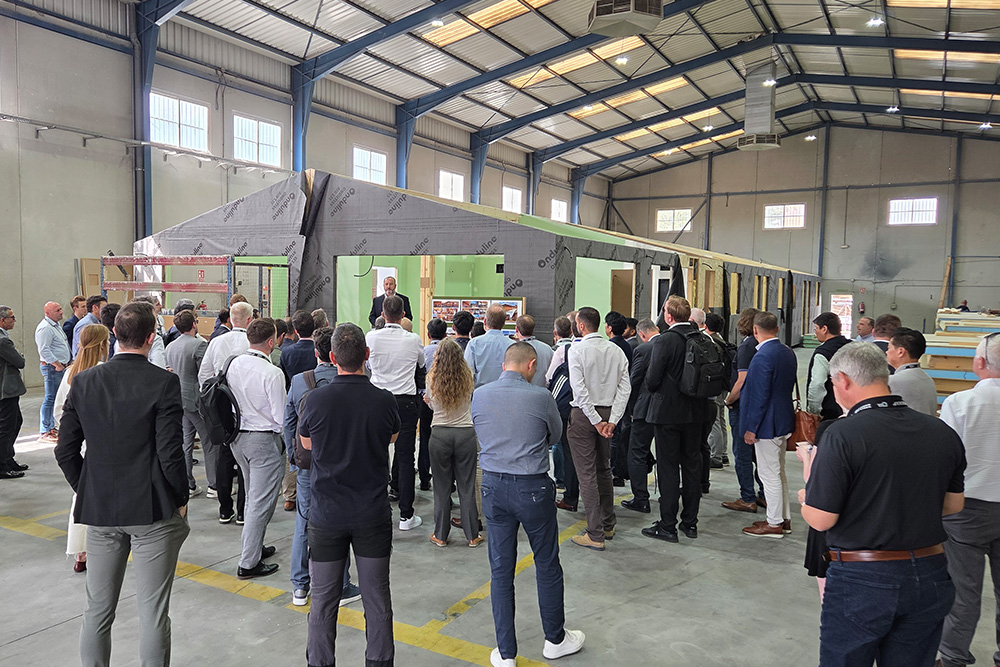
One of the event’s most distinctive elements comes on 14 October, when delegates will have the opportunity to visit one of two modular factories.
Daiwa House Modular Europe will host a tour of its factory outside Amsterdam, while a second tour will visit Barli in Uden, where delegates can see the company’s industrialised approach to timber modular housing and its use of timber and biobased materials.
Factory tours are limited to 40 conference registrants. Participants will be selected by lottery and must be registered for the full event to be eligible. The visits provide a practical opportunity to connect discussions about automation, production efficiency, materials and circularity with working manufacturing environments.
With plenary sessions, focused breakouts, exhibitor networking and factory tours, World of Modular Europe 2026 is built around a clear proposition: give Europe’s modular construction stakeholders more opportunities to learn from one another and collaborate across disciplines and borders. As the sector responds to housing demand, labour constraints, decarbonisation requirements and the need for more productive construction, Amsterdam will provide a timely forum for discussing what comes next.
Registration for World of Modular Europe is now open.