
Ahead of her visit to COP31 in Turkey, CIOB head of sustainability, Amanda Williams, shares her thoughts on what the global climate conference could and should deliver for the built environment sector
As preparations for COP31 gather pace, what I am hoping to see is the built environment recognised not simply as a contributor to climate change, but as one of the sectors with the greatest potential to drive solutions.
The decisions we make about how we plan, design, construct and manage our built environment will shape both climate outcomes and human wellbeing for generations to come.
At a time when the impacts of climate change are becoming increasingly visible and more pressing, COP31 must be less about debating what needs to be done and more about how we accelerate delivery at the pace and scale required.
Built environment emissions
I am also hoping to see the conversation evolve beyond built environment emissions. The built environment sits at the intersection of climate resilience, nature recovery, health, productivity and social value. This presents an enormous opportunity to demonstrate how climate action can deliver multiple co-benefits simultaneously, creating places that are not only lower carbon, but healthier, more resilient and better for people and nature.
One of the areas I am particularly keen to see explored more fully at COP31 is climate adaptation and resilience in the built environment. Around the world, communities are already experiencing more frequent and intense heatwaves, flooding, storms and droughts.
The built environment must be designed not only to reduce emissions, but to help people live safely and comfortably in a changing climate. This means moving beyond reactive approaches and embedding resilience from the outset through passive design, urban greening, climate-responsive planning and investment in resilient infrastructure. Progress is not currently fast enough in this area.
Whole-life carbon
I am also looking forward to seeing greater momentum behind whole-life carbon. While reducing operational emissions remains essential, we cannot ignore the carbon emitted through the manufacture, transport, construction, maintenance and eventual reuse of materials (or the nature impacts for that matter).
The conversation around embodied carbon has advanced significantly in recent years, and COP31 provides an opportunity to demonstrate how policy, procurement and innovation can work together to drive lower-carbon outcomes across the entire lifecycle of buildings and infrastructure.
Nature in the built environment
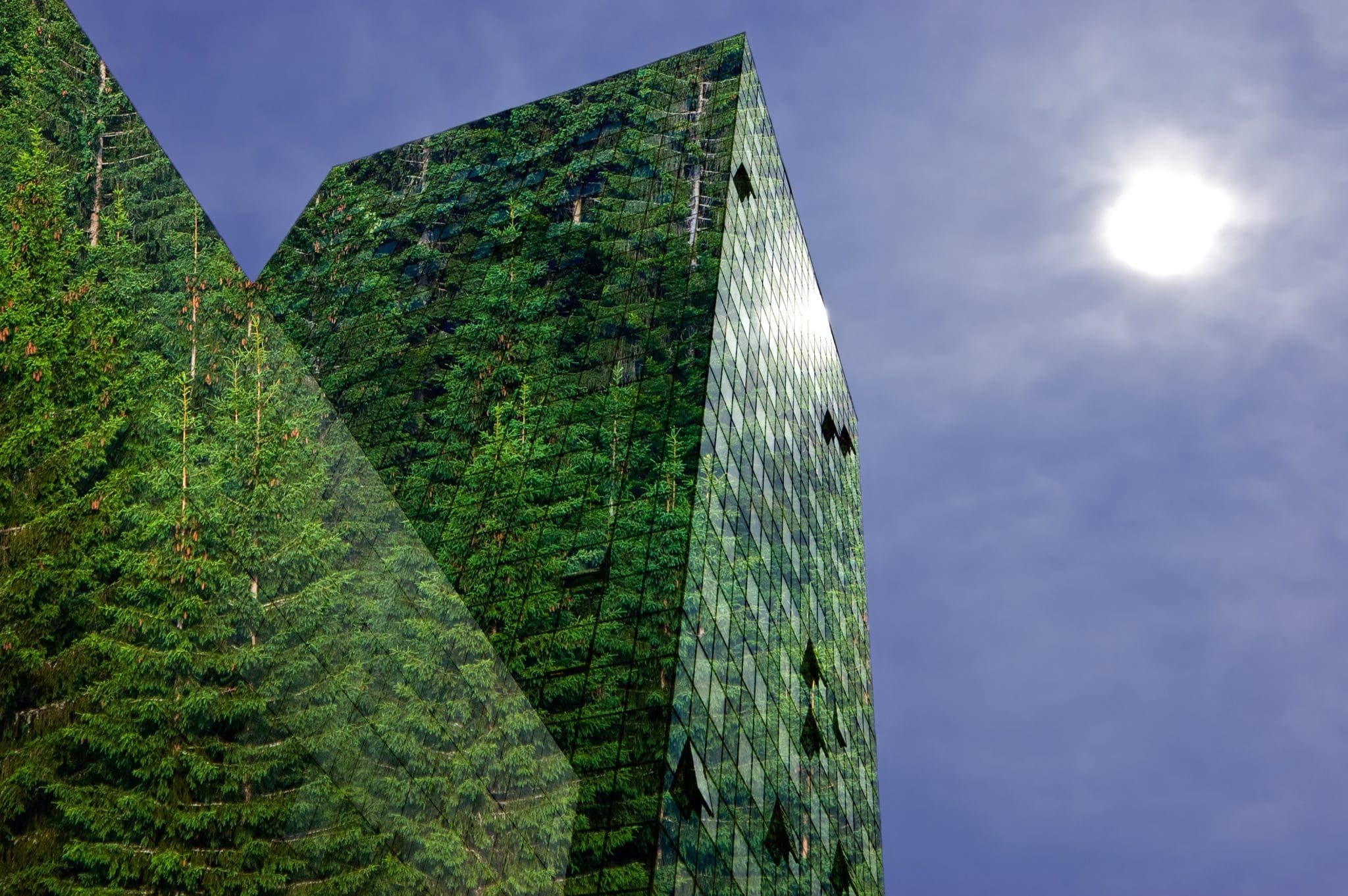
A further priority for me is the role of nature in the built environment. Nature should not be treated as an optional enhancement added at the end of the design process. It is essential infrastructure. Integrating nature-based solutions, regenerative approaches and biophilic design into our towns, cities and developments can help address multiple challenges simultaneously. These interventions can reduce urban heat, improve resilience to flooding, support biodiversity recovery, enhance physical and mental wellbeing and create more attractive and healthier places to live.
Perhaps most importantly, I hope COP31 signals a clear shift from ambition to implementation. We are no longer short of evidence, innovation, or examples of best practice. The challenge now is scaling solutions quickly enough to meet the urgency of the climate crisis. The era of debating whether action is needed must be behind us. We are firmly in the era of delivery, and this must be at pace and scale.
Green skills
Achieving this will require unprecedented collaboration across disciplines and sectors. Policymakers, planners, architects, engineers, constructors, investors and asset owners all have a role to play. Equally, we must ensure that the workforce has the skills and competencies needed to deliver the transition.
Investing in green skills, professional competence and lifelong learning will be critical if we are to turn commitments into measurable outcomes. So, I am delighted that CIOB President Saul Humphrey will be speaking on a panel on Skills for a Climate Resilient Future: Developing the Workforce to Deliver, among his speaking commitments during our time at COP31.
Leveraging innovation
I am also hoping to see attention given to innovation and the importance of leveraging it to accelerate the transition. The challenge is not developing new technologies, materials and approaches, but creating the conditions that allow innovation to be adopted at scale across the built environment.
From digital tools and modern methods of construction to new approaches to circularity, climate adaptation and whole-life carbon management, innovation has a critical role to play in improving productivity, reducing environmental impact and building resilience.
COP31 provides an opportunity to bring together industry leaders, policymakers and practitioners to explore how innovation can help turn climate ambition into practical delivery and fast. So, I am looking forward to the panel on Leveraging Digital Twins to build the Circular Cities of the Future, which Saul will also be chairing.
Accelerate climate action in the built environment
For me, the success of COP31 will not be measured by new pledges or declarations. It will be measured by whether it helps accelerate the transformation of the built environment into a force for climate action, resilience and regeneration.
I am hopeful the conversations in Antalya will demonstrate not only what is possible, but how we can work together to deliver it faster, at greater scale, and for the benefit of both people and planet.