

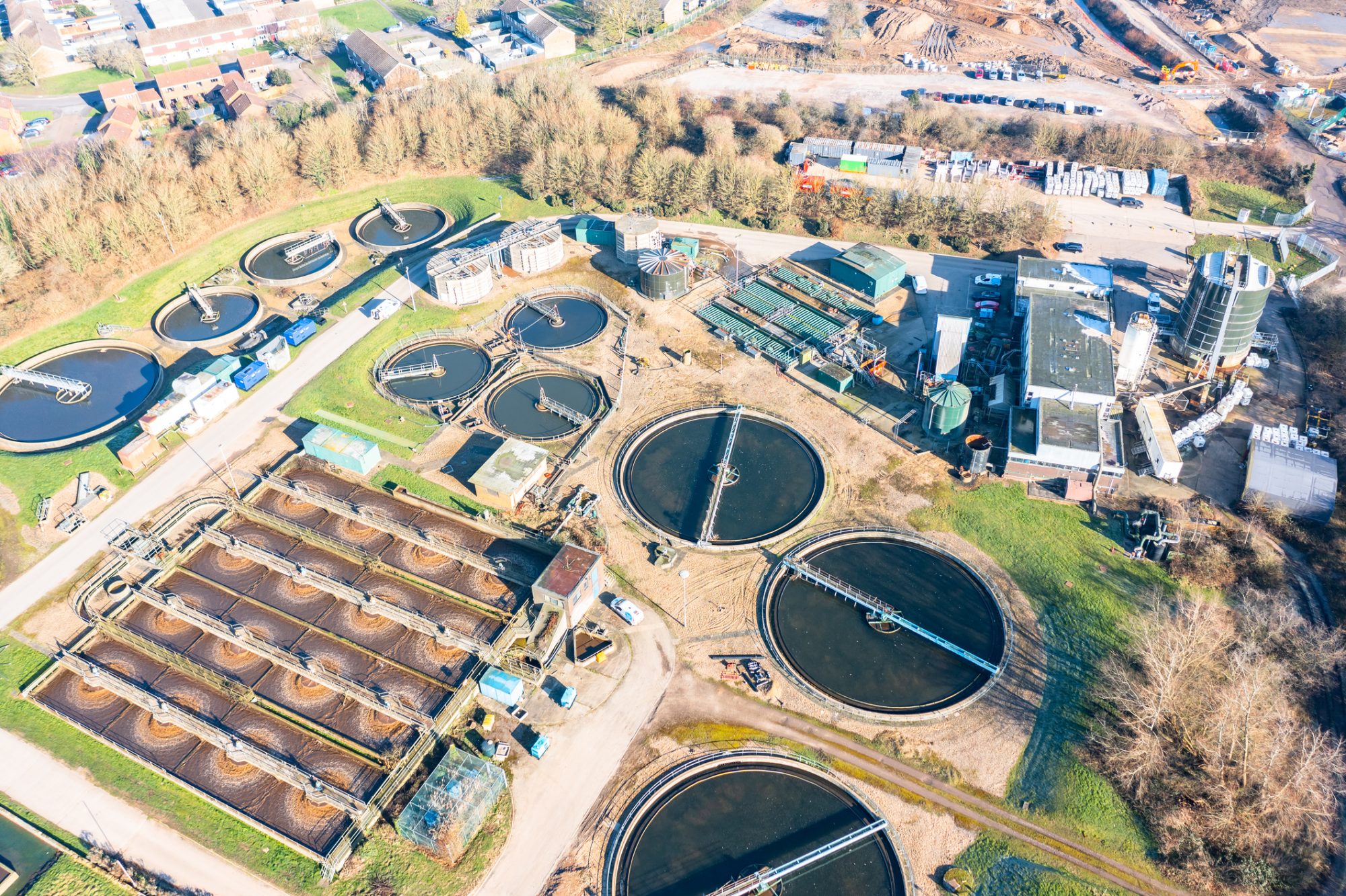
The Water White Paper sets out powers for the new regulator, delivering tougher oversight and stronger accountability for water companies
A wave of water system reforms have been put forward in a new Water White Paper, seeking to rectify the failings of Ofwat.
Announced yesterday by Defra and the environment secretary Emma Reynolds, the plans outline £16bn of direct investment into updating storm overflows and reducing phosphorus to reduce the impact of extreme weather on the environment. These plans tie into a wider £60bn programme to protect UK rivers.
Key changes in the Water White Paper include:
Placing a chief engineer in the new single water regulator
The new regulator will introduce an ‘MOT’ approach for water company infrastructure, requiring health checks on pipes, pumps and more. Defra argues that this “forward-looking approach means no more waiting to act, spotting problems before they happen” and will prevent water shortages.
Stronger inspection powers and dedicated supervisory teams
Water industry planning is currently fragmented across more than 20 different processes, which is inefficient and not cost effective. New reforms will instead bring councils, water companies, farmers, and developers together to deliver joined-up local plans to tackle river pollution, water resources and housing growth.
Dedicated supervisory teams for each water company will replace the current one-size-fits-all approach, giving the new single regulator a thorough understanding of how each company operates – and the ability to intervene before problems take hold.
Stronger inspection powers, including the new regulator able to conduct ‘no notice’ inspections, will help prevent the kind of disruption that has affected communities across South East England in recent weeks.
Where companies fall short, a new Performance Improvement Regime will give the regulator the power to act fast and fix failures so that underperforming water companies recover faster.
Revamping household water use and efficiency
A roll-out of smart metering and mandatory efficiency labels on items like dishwashers and washing machines will help households monitor their water use and cut costs – delivering savings of over £125m on water and energy bills over the next decade.
The Water White Paper prioritises pre-pipe solutions that tackle the root causes of pollution through sustainable drainage, rainwater management, and cracking down on sewer misuse.
Other investments include:
- Over the next five years, £11bn of water company investment will improve around 2,500 storm overflows. Nearly £5bn is being invested in upgrades at wastewater treatment works to remove phosphorus
- Doubled funding for local catchment partnerships, empowering local groups to stop pollution before it reaches waterways
- A new Water Ombudsman will have legally binding powers to resolve customer complaints. This means companies will face tougher requirements to respond quickly and compensate fairly
A 2026 Transition Plan will set out the path to this new system, and a new water reform bill will bring forward the legislation needed enable the system to take effect. This transition plan is backed by £104bn of private investment over five years.
Environment secretary Emma Reynolds said:
“These are once-in-a-generation reforms for our water system – tough oversight, real accountability, and no more excuses. Water companies will have nowhere to hide from poor performance, customers will get the service they deserve, and investors will see a system built for the future. This builds on the tough action we’ve already delivered, from record investment to banning unfair bonuses.”
ICE welcomed the changes put forward in the Water White Paper
Sam Gould, director of policy and external affairs at the Institution of Civil Engineers said:
“Introducing a Chief Engineer role as part of the new water regulator puts engineering expertise at the heart of the sector. This is necessary to address complex issues that the industry’s grappling with, like sewage spillage, decarbonisation, and maintaining ageing assets.
“Taking an MOT approach to water infrastructure will offer reassurance to the public that clean water supply is a top priority for companies. Smart metering and efficiency labels on white goods will also help people manage bills, which is never bad news.
“Although the industry will need time to digest the details of the government’s white paper in detail, the ICE welcomes these flagship intentions.”