UK warming, ageing assets, tightening expectations, and shifting insurance signals will reshape risk and value in the years ahead
Executives across UK infrastructure are rightly preparing for increased carbon management expectations, born out of the net-zero push that began almost half a decade ago – but a lot has changed, and many national clients have a fresh round of influences and updated concerns shaping their decisions.
Reducing carbon is one part of a widening risk picture:
- Rising heat and more extreme weather are already here, accelerating asset deterioration in a country that was already held back by ageing infrastructure and stretched budgets.
- Failures on ageing bridges and rail corridors are causing costly disruption
- Concerning global insurance signals are also showing how quickly financial exposure can change when hazards intensify (more on this in a moment).
With this in mind, carbon management sits alongside – not above – a set of structural pressures that national clients are actively planning for.

The risk picture clients are working with
National clients are balancing multiple pressures at once. The Met Office’s 2025 stocktake shows the UK has warmed at an average 0.25C per decade since the 1980s, with 2015-2024 1.24C warmer than the 1961-1990 baseline.
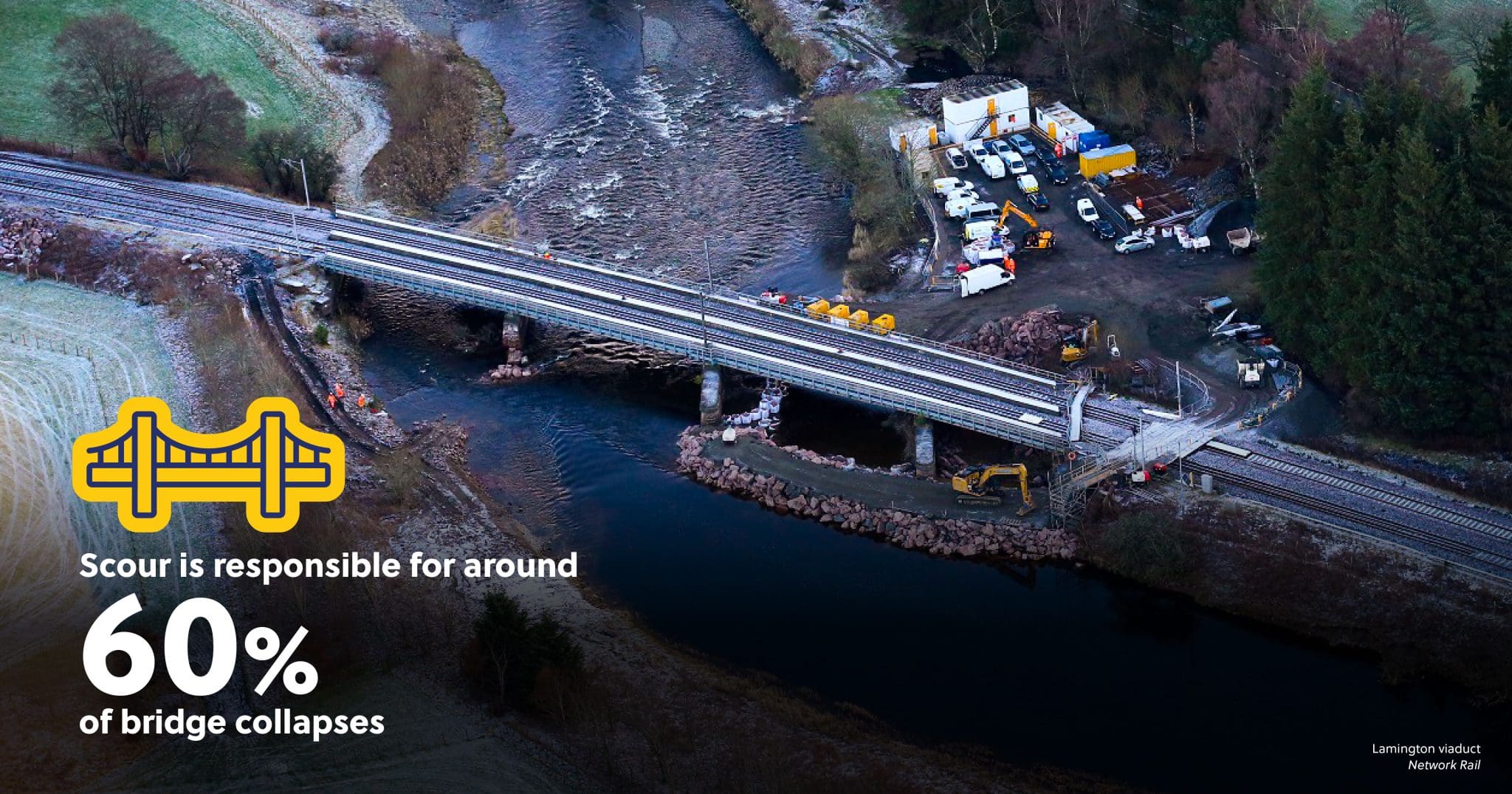
These average increases might seem small, but they drive genuine operational effects, from hotter roads deforming and deteriorating more quickly and overwhelmed drainage raising flood risk. There’s also the heightened risk of scour – responsible for around 60% of bridge collapses – and sudden storm events that disrupt users and programmes. Far from abstract ideas that set the tone at the start of the decade, these changes are set to drive both new policy and the next round of delivery standards and frameworks, with severe socio‑economic consequences at stake.
The National Engineering Policy Centre recently highlighted this cumulative strain on UK assets. Renewal rates for water mains and sewers are around 0.1%, meaning some assets could remain in service for up to 1,000 years. Flood defence assets are already about 60% through their economic life. And transport networks are deteriorating.
Examples include Clifton Bridge, Hammersmith Bridge, and Nuneham Viaduct, where assets meet climate‑driven stresses: emergency closures, long detours, and costly, reactive programmes.
Clients are, understandably, looking to move spend from firefighting to stewardship. Maintaining flood defences, for example, can deliver up to £8 of benefits for every £1 invested.
Policy momentum
By now most in the industry are more than familiar with the well-established targets set out by the likes of PAS 2080 and the Construction Leadership Council’s Five Client Carbon Commitments – signed up to by the Environment Agency, Scottish Water, Transport for London, National Highways, and Heathrow among others.
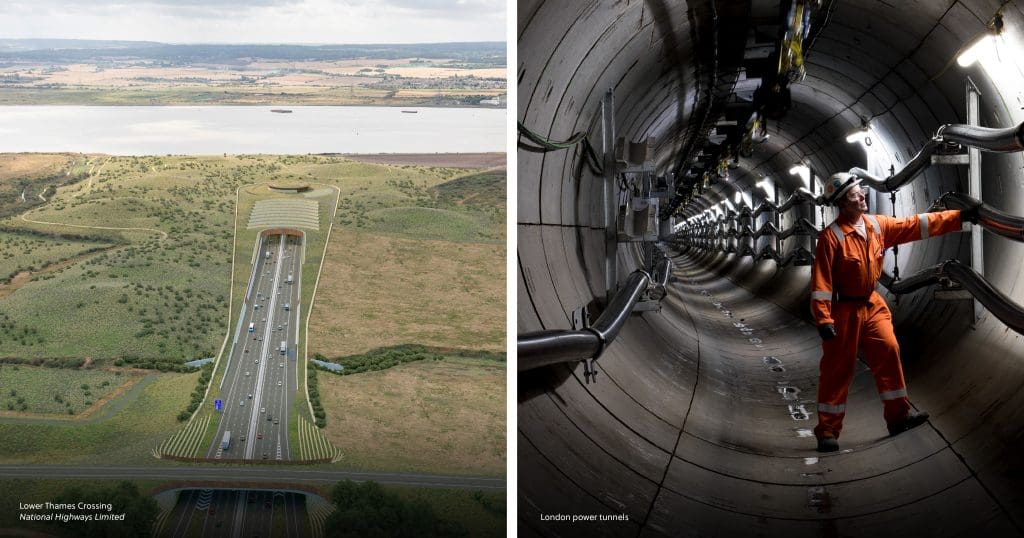
Also, there’s a closely related push towards material efficiency and circular reuse. Flagship schemes are already demonstrating the evolved state of UK infrastructure at scale – from diesel‑free plant and circular economy strategies at the Lower Thames Crossing, to cement‑free concrete on London Power Tunnels, to design changes and live opportunity registers at Simister Island.
Of course, for contractors, this requires data: evidence of carbon reductions, visibility of material choices, and proof of well‑organised management plans that withstand audit.
Insurance and finance: the most concerning signs of them all?
Operational pressures are now joined by uncomfortable market signals.
Allianz leadership warns that extreme‑weather losses are pushing parts of the market towards ‘uninsurability’ as premiums required to cover climate‑related losses exceed what organisations can pay.
In the US, for example, State Farm has stopped selling new home policies in wildfire‑exposed California. While this doesn’t directly impact UK infrastructure, it was part of a narrative repeated at multiple trades shows last year.
The lesson though is universal: when hazards intensify, coverage can tighten and financing conditions can follow, impacting our businesses, and more. In this light, prevention first and foremost – emissions reductions that keep us within 1.5C of warming – ought to be taken seriously.
This information draws on Re flow Field Management’s UK Infrastructure Carbon Report.
Readers can download Re‑flow’s free report for fuller data, case studies, and clarity on procurement demands.