
In co-operation with Octopus Energy, the Home Builders Federation (HBF) has shown what the qualities in new build houses can achieve
New, energy-efficient housing can offer their owners savings of more than £400 per year in energy bills, as well as driving down carbon emissions.
Titled Watt a Save, the report compares older housing with newer to find savings of 21%, and up to £6,000 of value added to a home.
New build homes have significantly lower energy costs
Yearly, new-build homeowners spend an average of £1,574, compared with £ 1,995 for older homes, due to energy-efficiency upgrades. Furthermore, information shows that most new-build homes achieve an energy rating of A or B, which puts new-build homes at 39% cheaper to run in terms of energy efficiency than old homes with an F or G rating.
EPC ratings are also often taken into consideration by mortgage lenders, meaning buying a newer home can reduce mortgage payments as well.
Neil Jefferson, chief executive of the Home Builders Federation, said: “These findings demonstrate the real-world value of purchasing a new build home. New build homes deliver lower running costs and a smaller carbon footprint, providing homeowners with long-term savings and a more sustainable way of living. With energy prices such a major part of a household’s expenditure and increasingly influencing decisions around where and how people live, choosing a new home has become an increasingly practical and cost-effective option.”
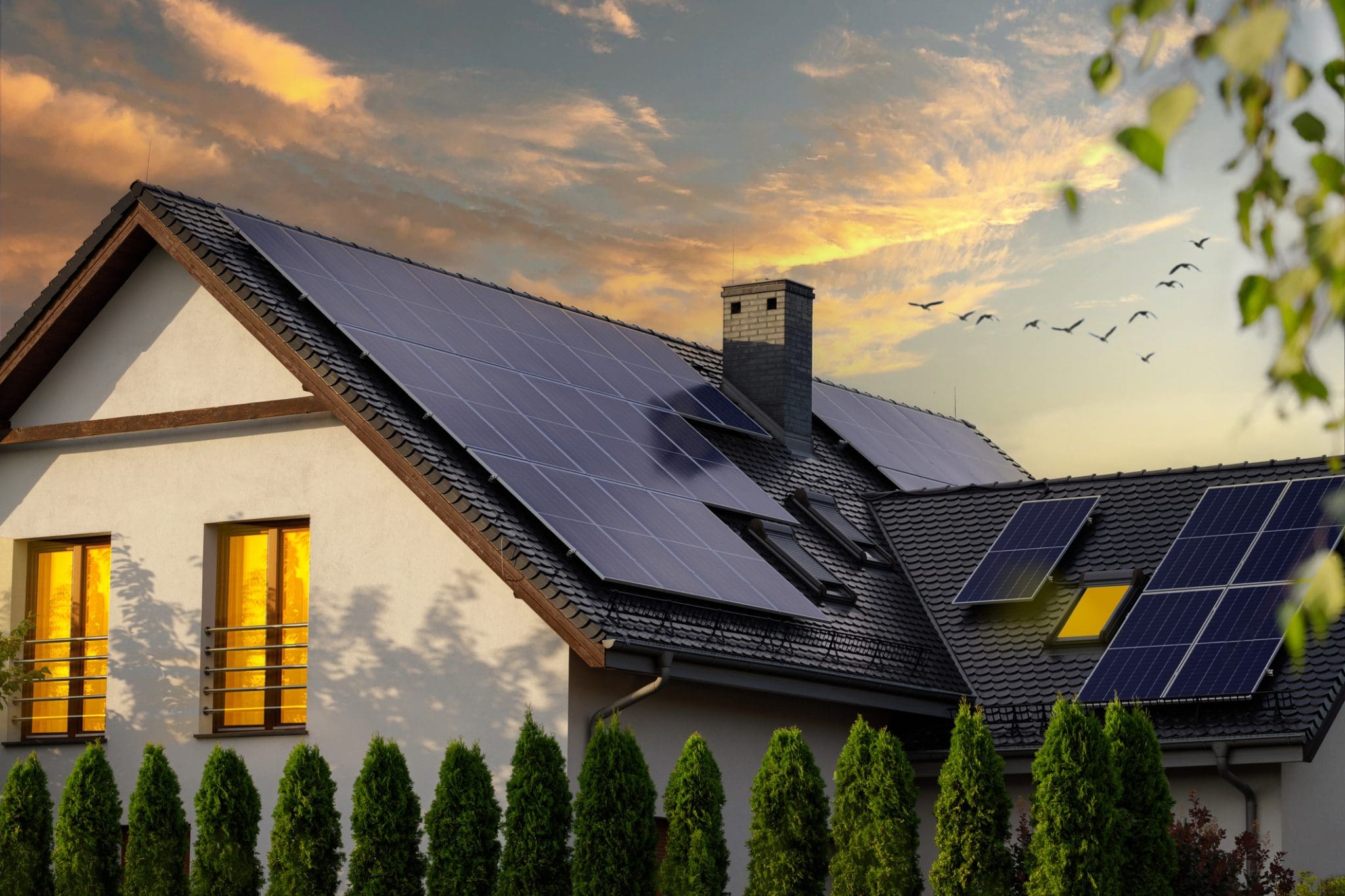
Nigel Banks, zero bills director at Octopus Energy, said: “Better-built homes mean lower energy bills, and Watt a Save proves it. Our collaboration with the Home Builders Federation on this report highlights how modern, new build homes are cheaper to run and can slash carbon emissions. Add solar, heat pumps and batteries into the mix, and we can even eliminate home energy bills entirely.”
Councils could use more power to enforce energy efficiency
In May last year, the Chartered Institute of Housing (CIH) published a statement calling for more energy efficiency enforcement powers to be granted to councils and local authorities.
CIH policy manager, Matthew Scott, said: “Private renters are far more likely to live in homes that are cold and unaffordable to heat, with over a fifth of all private renters living in fuel poverty. CIH warmly welcomes the proposed introduction of minimum energy efficiency standards in the private rented sector, which we have advocated for across many years.
“To ensure the proposals are successful, it is vital that local authorities are provided with the funding they need to proactively enforce the standards. For the vast majority of good private landlords, enforcement will not be necessary, but it is important that local authorities are fully resourced to act where it is needed.”