
With low-carbon ambitions becoming a key focus in construction projects, Carles Rovira, CEO of 7 Steel UK, explores how circular, UK-made steel can support both net zero goals and more resilient supply chains
Right across the construction sector, factors including embodied carbon, material transparency and supply chain resilience are shaping decision making. With the right support, these factors ensure projects can be delivered timely and cost effectively, all while moving the industry towards a stronger future.
Steel is a critical material here. While it’s vital to construction projects, delivering uncompromising strength, its production has historically been associated with high carbon intensity and complex, international supply chains.
Today, circularity in steel production is changing this, ensuring steel can continue to play a critical role in construction and do so responsibly thanks to processes that are geared towards creating low-carbon steel.
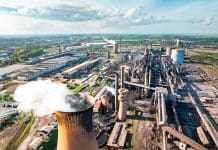
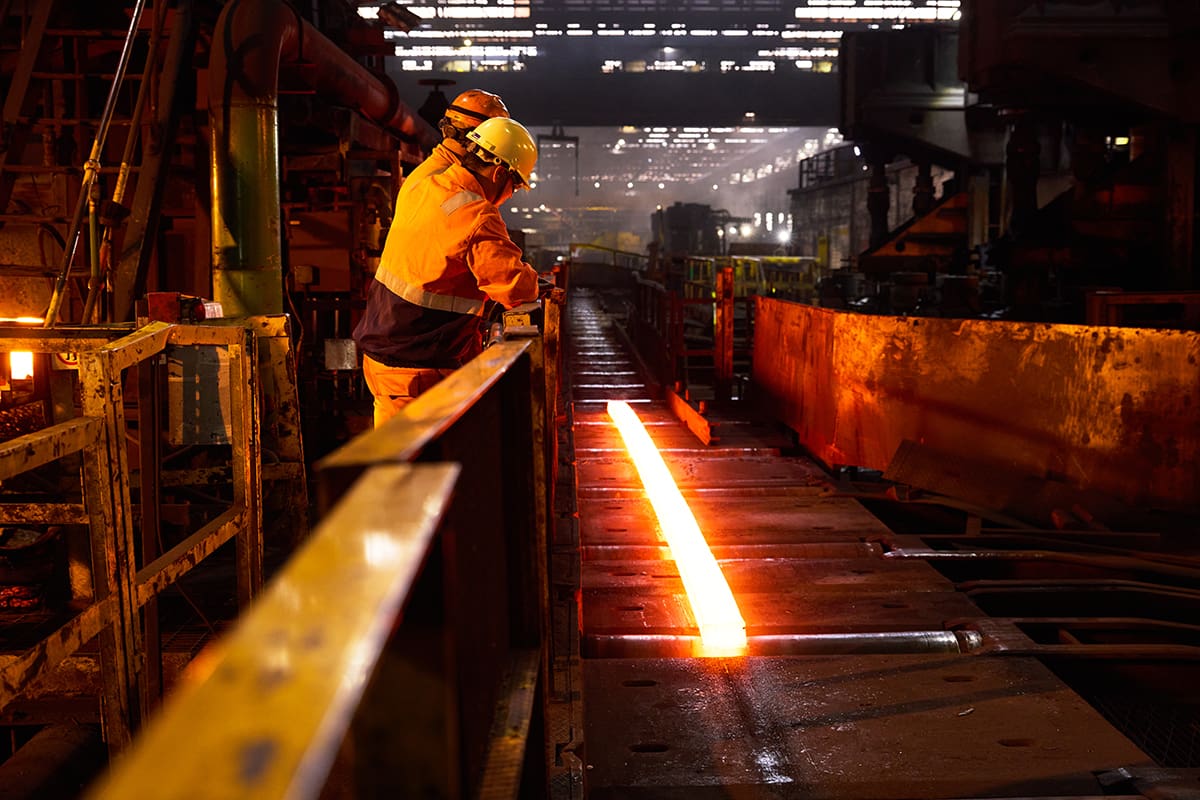
Circularity is at the heart of 7 Steel UK’s production. By recovering end-of-life scrap, melting it in an environmentally responsible Electric Arc Furnace (EAF) and remanufacturing it into new steel, 7 Steel UK is demonstrating the capabilities and impact of circularity. More than that, the whole process takes place in the UK, ensuring a closed-loop process that delivers certainty and turns potential into progress.
Circularity in practice
The UK generates more than 8m tonnes of scrap steel every year and is one of the world’s largest exporters of scrap. In reality, that means sending high-value scrap steel abroad to be recycled, with a high proportion then returning to the UK as finished products to meet demand here at home.
This model, which has been the norm for the industry over recent decades, results in value being lost from the domestic economy and exposes the UK construction industry to the volatile international markets – potentially putting projects at risk.
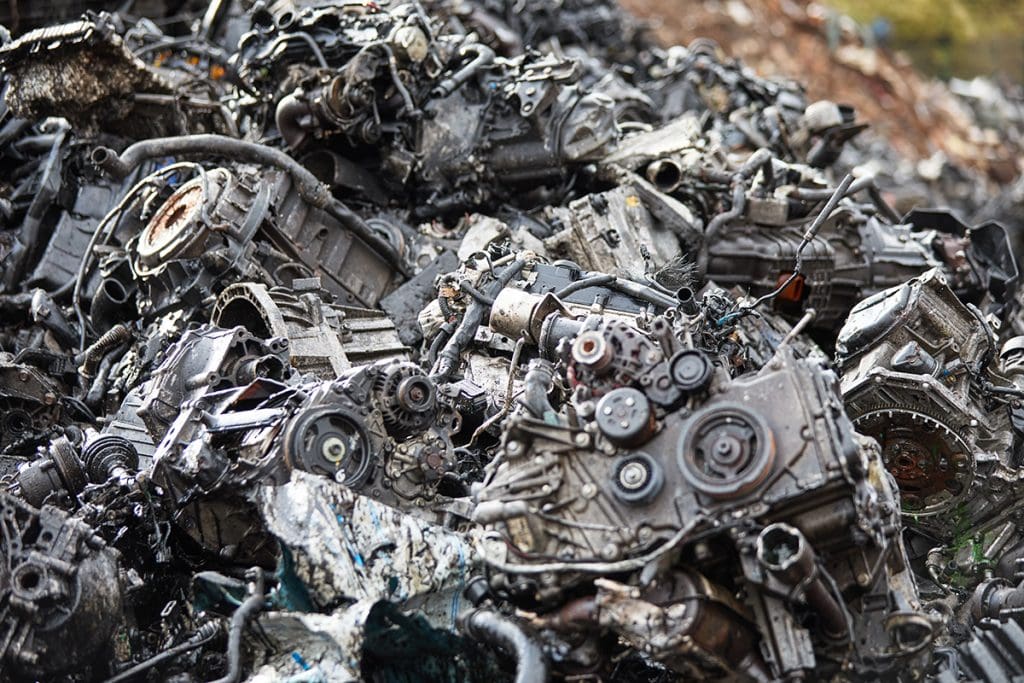
A domestic, circular system corrects this imbalance. By retaining scrap within the UK and using it as feedstock for low-carbon steel production with domestic steel manufacturers, supply chains can be shortened, emissions can be reduced and greater levels of certainty can be delivered – whether in terms of material traceability or in the sustainability of materials used in today’s construction projects.
At 7 Steel UK, we’ve built our business around circularity for more than a decade. For us, that means collecting and processing domestic steel scrap through our own recycling network.
Once processed and sorted to maintain high-quality feedstock, that scrap is then fed directly into our EAF, where it is melted before being cast into billets.
From there, our in-house rolling mill creates long steel products – which are used widely across domestic construction and infrastructure projects.
Because every stage of the process takes place here in the UK, all controlled through our own processes, we are able to maintain full oversight of quality, sustainability and supply chain continuity.
The benefits of UK-made steel
When it comes to assessing the benefits of UK-produced, lower-carbon steel, the advantages to industry are clear: improved traceability and compliance, reduced embodied carbon and strengthened supply chains. All of this adds up to greater levels of certainty and confidence for the construction industry.
Where traceability is concerned, expectations are shifting and redefining the way in which materials are now specified. More frequently, new projects are prioritising the need for UK-made products and materials, ultimately supporting broader efforts to minimise embodied carbon en route to net zero. To achieve this, specifiers need greater transparency around material origin so they can be confident in its suitability for their projects.
The closed-loop process at the heart of our circularity principles delivers this confidence for our customers across the UK. Our ability to control the entire steel production process, from scrap to new steel, means we can deliver clear transparency in product origin, supported by Environmental Product Declarations and third-party certifications.
For specifiers, choosing UK-made, circular steel is not only a carbon decision; it is also a way to de-risk projects and demonstrate compliance with evolving client and policy expectations.
In turn, where net zero ambitions are shaping decision making for specifiers, effective material sourcing becomes essential. It’s no secret that steel is one of the greatest contributors to emissions in the construction landscape, largely as a result of its energy-intensive production.
However, circular steel production is one of the most effective ways to reduce embodied carbon, with domestic production minimising the distance between production and project, and future-ready low-carbon production methods centred around EAF technology.
EAF production, in contrast to traditional blast furnaces, significantly reduces emissions. Plus, as the UK continues to decarbonise its energy mix, domestic EAF production will continue to be the more environmentally conscious choice for specifiers.
Alongside this, choosing recycled steel ensures that natural resources are kept in circulation for longer, forming the basis of more responsible construction.
Finally, there’s the supply chain factor. Global supply chains are increasingly subject to greater levels of volatility, leading to fluctuations in everything from pricing to lead times. A domestic, circular steel supply chain offers a more resilient alternative, strengthening the industry and allowing construction teams to better plan, price and deliver projects.
Turning potential into progress
More frequently, circularity is being discussed as an aspiration for the UK steel industry, with manufacturers adopting plans to adopt circular processes in the future. For 7 Steel UK, it is already a reality that we practise – and have done for more than two decades since our electric arc furnace was first commissioned and a conscious commitment was made to deliver tangible value by turning scrap into new steel products for UK projects.
That puts us in a unique position to supply the steel that supports several major infrastructure schemes, from rail through to renewable energy. By embedding circularity into our operations, we are strengthening the UK steel industry and providing a competitive alternative to global supply chains to ensure UK construction projects can leverage domestic benefits.
But the benefits don’t end there. As the UK targets net zero through a low-carbon economy, circular steelmaking represents the future for our industry, allowing us to prioritise environmental ambitions while retaining economic value at home.