
The last few months have been a large hit for the company as issues with cavity barriers have caused headaches and losses
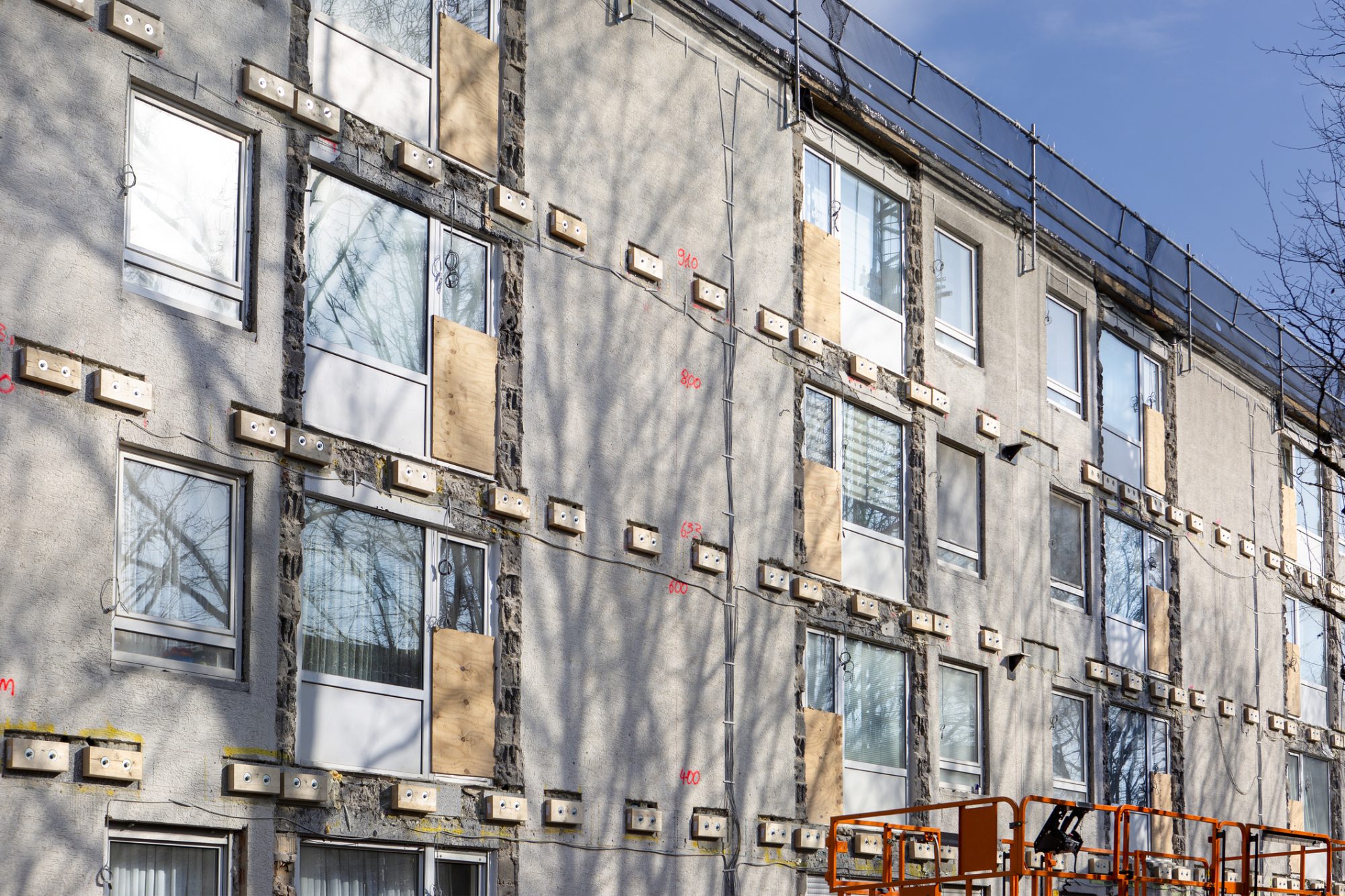
The Taylor Wimpey loss has been caused by a hit of £222m in identified issues with cavity barriers in brickwork and render.
The loss of £92m is pre-tax and represents the six months to 29 June, after the company reported a £100m profit in the last half.
£222m is the current best guess at remediation costs
£145m represents costs to fix historic defects found in the past few months that were missed in earlier surveys and assessments. On top of this, the company will need to pay £39.5m for other cladding remediation, and £38m on site-specific cost increases. That means the total overall cost is as high as £435m.
Taylor Wimpey have also noted a hit of £20m in a charge to complete remediation work on a London building originally built between 2012-2015, as well as a provision of £18m for the Competition Markets Authority’s recent probe.
Cladding remediation costs have been headache for several companies, with fingers being pointed in different directions, including Laing O’Rourke looking to sue architect BDP for £1.8m over a building in Lancashire, and Crest Nicholson reporting in January that their fire remediation costs would hit £250m.
Jennie Daly, chief executive of Taylor Wimpey, said: “The safety of our customers remains our highest priority – this principle has consistently guided our approach, and we have increased our cladding fire safety provision to reflect findings from updated fire risk assessments and investigations in the first half.”
The Taylor Wimpey loss comes as government focuses on remediation
The government has recently released an update to the Cladding Remediation Acceleration Plan, which includes a new legal deadline for landlords to have completed work on fixing cladding on their buildings.
The acceleration plan has several key objectives.
Fix buildings faster:
• Give social landlords equal access to government remediation funding as private landlords, supported by a new joint plan between government, social landlords and regulators to speed up remediation, cutting years off the time to make social tenants safe and improving resident experience before, during and after remedial works.
• Bring forward a Remediation Bill to create a hard ‘endpoint’ for remediation. A Legal Duty to Remediate will compel landlords to remediate their buildings within fixed timescales or face criminal prosecution. Avoidance is not an option. Where landlords fail, new powers – including a Remediation Backstop – will ensure the work gets done. The Bill will be brought forward as soon as parliamentary time allows.
• Tighten fire assessment standards to minimise delays to remediation start dates and provide certainty on the scope of works.
• Support the delivery of Local Remediation Acceleration Plans (LRAPs) to enhance collaborative working and expertise at regional levels, further to the over £5m in funding already provided to metro mayors.
• Establish a National Remediation System (NRS) to serve as the single source of data for all relevant buildings over 11 metres to enhance information sharing across partner organisations.
Find 11m+ residential buildings in need of cladding remediation:
• Reviewed over 212,000 Ordnance Survey records and, as part of a separate exercise, published updated prevalence information based on the latest available data, which reduces the estimated number of buildings requiring remediation that have not yet been brought into a remediation programme from 4,000 – 7,000 to 500 – 3,400 with 60% – 91% having already been identified.
• Advanced work to review further Ordnance Survey records and remain on track to identify the vast majority of relevant 11m+ buildings with potentially unsafe cladding by the end of the year.
• Identified buildings where further investigation is required and began engagement with responsible parties to review their fire risk assessments and either provide support to help them enter a programme or rule them out.
Support residents:
• Provide funding, on a strictly exceptional basis, to multi-occupied residential buildings under 11 metres where it is needed to address life-critical fire safety risks from cladding and there are no alternatives to fund the works.
• Bring forward legislation to ensure that regulators can enforce the remediation or mitigation of critical issues following a decant of a residential building of 11m+. This will ensure that decants are either averted, or residents can return to their homes as quickly as possible.
• Implement a long-term, sustainable approach to the Waking Watch Replacement Fund.
• Ensure that, even after remediation, social landlords who have signed the Joint Plan continue to allow shared owners to sublet their properties up to the market rent level where demonstrable efforts are being made to sell the property.