
Homeowners are increasingly building smart, integrated energy ecosystems over time, rather than investing in individual technologies in isolation. Cameron Beech, head of product management & training at Viessmann Climate Solutions UK, explores how intelligent controls can unlock the potential of the home energy ‘golden triangle’
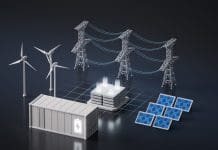
Heat pumps, solar photovoltaic (PV) panels, and battery storage each play an important role in reducing household energy costs and carbon emissions. However, their potential is greatest when they operate together as an integrated system, optimising electricity generation, storage and consumption. This is what’s known as the energy golden triangle.
For many homeowners, though, the journey towards a low-carbon home begins with just one of these technologies. A heat pump might be installed as an alternative to a gas boiler, for example, with solar panels or battery storage added several years later as finances allow. Traditionally, relatively little consideration has been given to how these subsequent investments might work alongside existing equipment. However, that approach is now beginning to change.
With electricity prices fluctuating, dynamic tariffs becoming more widely available and households seeking greater control over their energy bills, attention is shifting towards intelligent home energy management. Rather than simply generating or consuming electricity, connected systems can increasingly work together to determine when and how energy is used, improving efficiency, reducing grid reliance, and lowering running costs.
Three technologies, one system
Each element of the home energy golden triangle offers distinct benefits. A heat pump provides low-carbon heating and hot water, although its efficiency depends on factors including system design, insulation, operating temperatures and control.
Solar PV allows homeowners to generate their own electricity, but output varies with weather conditions, the season, and time of day. Periods of high generation do not generally correlate with household demand, which tends to increase during dull, cold weather and at the beginning and end of the day.
Battery storage helps address this mismatch by retaining surplus electricity generated during daylight hours for use when solar output falls or demand increases. Depending on the installation and electricity tariff, batteries can also be charged from the grid when prices are lower, for use at peak times.
When intelligently connected, these technologies create opportunities to manage energy across the whole property. Surplus solar generation, for instance, could power a heat pump, charge a battery, or charge an electric vehicle (EV). Stored electricity can then be consumed when required, reducing the need to import power from the grid.
This means managing the relationship between generation, storage, and usage can be just as important as the efficiency of individual appliances.
Building an energy ecosystem gradually
Given that one of the biggest barriers to adoption of renewable technologies is affordability, the future compatibility of different system elements is an increasingly important consideration. A homeowner installing a heat pump today might want to introduce solar panels and battery storage in three years’ time. Equally, someone with an existing PV installation may subsequently decide to add a heat pump or EV charger. A phased approach gives households the flexibility to prioritise investments according to their circumstances.
However, if each technology operates independently, bringing them together can involve multiple controllers, separate smartphone applications and complicated workarounds. In some cases, existing equipment may even need to be replaced if it’s incompatible with new appliances. Furthermore, without effective integration, homeowners have no overall understanding or control of how a property’s energy is being generated and used.
Installers therefore have an important role to play in helping their customers take a longer-term view. During the initial survey and system design, it’s worth considering likely future energy requirements, electrical capacity, available space, existing heating infrastructure and the communication protocols supported by the proposed equipment.
The importance of intelligent controls
Intelligent energy management platforms are key to bringing compatible technologies together under a common operating system. By monitoring electricity generation, household consumption, battery charge levels and energy prices, they can automatically adjust operation in response to changing conditions.
For example, a system could prioritise using available solar electricity, direct surplus generation into battery storage and schedule certain energy-intensive activities for periods when grid electricity is cheaper. It could also adjust heat pump operation to take advantage of lower tariffs while maintaining heating and hot water requirements.
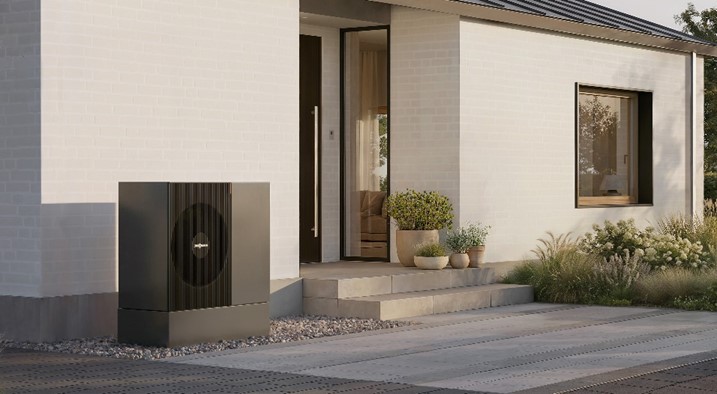
Viessmann’s Vitocal 200-A ie (intelligent energy) monobloc air-to-water heat pump illustrates this approach. Designed to operate within the company’s One Base Intelligence platform, it brings together compatible heating and energy technologies through a unified control system, with information presented to homeowners through the ViCare app.
The self-learning platform monitors energy flows across the property, allowing connected devices to communicate and coordinate their operation. Rather than requiring occupants to manage individual appliances, it can learn household patterns and automatically optimise how energy is used. It can also adjust operation in response to time-of-use electricity pricing, which is particularly relevant as dynamic tariffs become more established.
Importantly, the system is designed to accommodate the progressive addition of technologies such as solar PV, battery storage and EV charging. That includes selected third-party products and controls, so homeowners aren’t locked into a single manufacturer’s products. Over-the-air software updates provide further flexibility, allowing functions and improvements to be introduced throughout the system’s lifetime as technology and energy markets evolve.
The heat pump’s Universal Controller (i.e., control unit) can also operate as a standalone controller, bringing compatible third-party heat pumps, solar PV, and air conditioning systems into the wider ViCare platform.
A more connected future
The transition to low-carbon homes will not follow a single blueprint. Property types, budgets, occupancy patterns, and energy requirements will all influence which technologies are adopted and when.
For installers, this creates an opportunity to move beyond individual product specifications and consider customers’ wider energy requirements. Understanding how heating, renewable generation, storage and controls all interact can help ensure that today’s installations provide the flexibility for future improvements.
As electricity tariffs become more sophisticated and household energy systems evolve, the ability to integrate new equipment, optimise energy use and improve functionality over time will become an increasingly important consideration. The future of home energy is not simply about installing more efficient appliances, but ensuring they work together as one intelligent system.