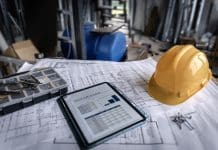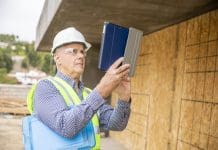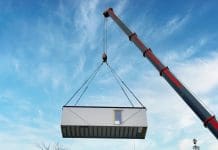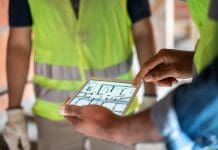
Every construction project involves a constant flow of materials, equipment, people, deliveries and information. When those elements fall out of sync, projects may consume additional resources through rework, excess materials, unnecessary transportation or idle machinery
Digital project management brings these moving parts into a centralised point, helping teams coordinate activities and make timely decisions.
Beyond productivity gains, digitalisation in construction offers opportunities to reduce carbon emissions throughout project execution.
The role of digital project management in construction
The construction and buildings sector accounts for roughly 37% of global carbon dioxide emissions, according to the United Nations Environment Programme (UNEP). The sector generates these emissions through building operations and material use, including carbon-intensive products such as aluminium, cement, and steel.
While digital project management cannot eliminate all operational and embodied emissions, it can give teams greater control over project-level sources of carbon waste, such as rework, inefficient equipment use, excess material orders and unnecessary transportation.
As technology advances, many construction teams are adopting digital solutions to improve operational efficiency while supporting environmental goals. Tools such as 3D printing, drones and Building Information Modelling (BIM) are becoming part of construction workflows. Construction management software is also gaining popularity for enhancing communication and operational efficiency across supply chains.
The environmental value comes from how project teams use these technologies. Digitalisation in construction gives construction teams a clearer picture of project activities and resource use, as work progresses. Project management software extends these benefits across day-to-day coordination, including:
- Digital scheduling and task management: Coordinate activities, deadlines, dependencies and changes across project teams.
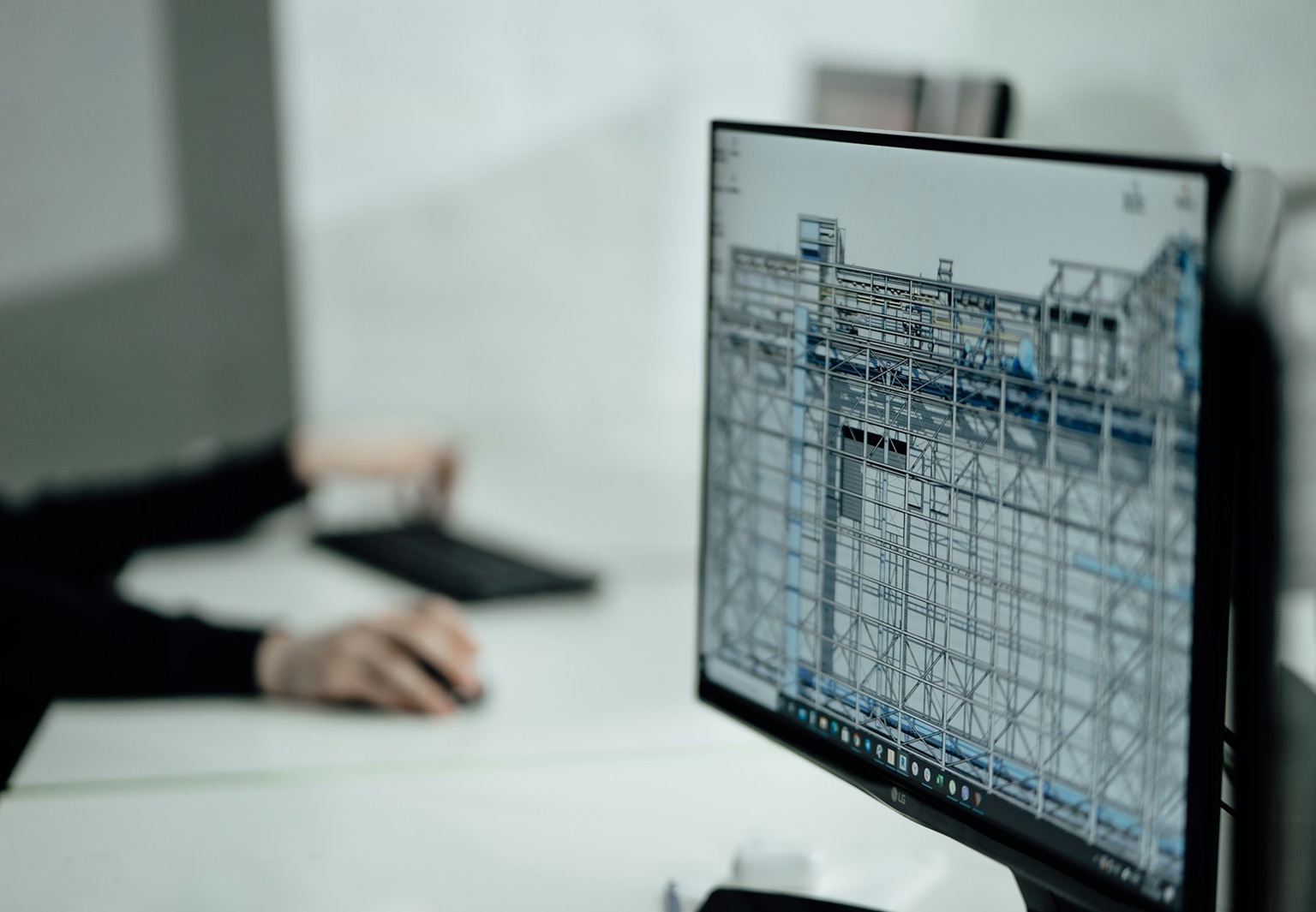
- BIM coordination: Get a shared view of building elements, designs and potential issues before work reaches the site.
- Material and resource tracking: Monitor quantities, deliveries, inventory and resource allocation.
- Equipment and progress monitoring: Track machinery use, site activity and project progress.
These capabilities also help teams address carbon waste as they make decisions about materials, equipment, deliveries, and construction activities. By bringing environmental considerations into routine project management, organisations can act on carbon reduction throughout the construction process.
Improving efficiency reduces rework, delays and material waste
Digital project management can improve efficiency by giving project managers a clearer view of schedules, dependencies, tasks and changes. When teams work from centralised information, they have fewer opportunities to act on outdated drawings, instructions or project schedules. Real-time progress tracking can also highlight delays and bottlenecks before they affect multiple activities.
The carbon benefit comes from preventing the additional resource use that corrective work creates. For example, a project team could use a shared BIM model to identify a clash between structural and mechanical elements before installation begins. Resolving the conflict during planning could prevent workers from installing, removing and replacing materials on-site. It could also avoid the use of equipment and transportation associated with the resulting rework.
Digital coordination can consequently reduce carbon waste by limiting unnecessary material use, duplicated work, delays and equipment activity.
Aligning project decisions with sustainability goals
Sustainability targets become easier to act on when environmental requirements form part of everyday project management. Digital systems can place material procurement information and environmental targets alongside conventional project data, giving teams a broader view of project performance.
Dashboards and digital reporting also make progress easier to monitor throughout construction. If material consumption exceeds planned quantities, project managers can immediately investigate the cause and adjust procurement or site practices. The same information supports accountability across contractors, suppliers and other stakeholders.
This connection matters because carbon reduction depends on operational decisions. Procurement choices affect embodied emissions, and delivery schedules affect transportation activity. More importantly, construction sequencing affects equipment use and resource consumption. Digitalisation in construction can connect those decisions with measurable sustainability objectives, making carbon reduction part of routine project planning.
Optimising eco-friendly equipment and machinery
Construction equipment can contribute substantially to operational energy use, especially when machinery sits idle or arrives on-site before work requires it. Digital project management ensures better coordination of equipment schedules, availability, site requirements and utilisation.
Teams can use this information to align machinery with the actual work phases. Equipment tracking can also reveal assets that remain stationary for long periods, creating opportunities to adjust deployment. Where projects use electric, hybrid or other lower-emission machinery, digital scheduling can help match equipment availability with construction activities and charging requirements.
In these cases, project management tools can support lower-carbon equipment while maintaining the productivity needed to keep construction moving. Volvo Construction Equipment, for instance, trialled its Connected Map and Performance Indicator with customers across construction sites in Asia. The system provided real-time data on equipment productivity and fuel consumption to optimise fleet use while reducing fuel consumption and emissions.
Smarter material planning and construction logistics
Materials create carbon impacts before they reach a construction site. Their production, storage, handling and transportation all contribute to a project’s environmental footprint.
Digital project management gives teams clearer information about material quantities, timing and delivery locations. Integrated schedules can align procurement with actual construction phases, reducing the risk of materials arriving too early or in quantities that exceed requirements.
Delivery planning can also account for site readiness. When transport schedules match construction activities, teams can reduce failed deliveries, waiting time, unnecessary trips and congestion around the site. Digital records also provide additional information on material quantities and movement, helping project managers identify recurring inefficiencies.
A 2025 study provides a documented example of how these capabilities can work together. Researchers developed a BIM-IoT platform for prefabricated building materialisation that integrates carbon tracking with project and equipment management. The system used real-time information to track carbon emissions during materialisation.
The platform improved real-time carbon-tracking accuracy by about 30% compared with traditional systems. The study also reported overall carbon reductions of 30–50% during materialisation, with potential reductions of up to 60%. Overall, the case demonstrates how connected project data can support carbon management during construction activities.
Turning digital project management into lower-carbon construction
Digital project management gives construction teams a clearer view of project performance and the opportunities to reduce carbon waste. Connected information supports timely decisions during construction and provides useful data for improving future planning.
As digitalisation in construction brings project delivery closer together, carbon reduction can become a consistent part of everyday construction management.