
Glen Small, head of VAT and construction & property at Johnston Carmichael, argues that developers and contractors should make VAT decisions before construction work begins
A covered passage between two buildings might seem an unlikely place to uncover a VAT problem worth hundreds of thousands of pounds, but that is exactly what happened on one construction project we advised on.
The contractor was constructing a new building for a further education college. The college had reviewed the intended use of the building and concluded that the construction services qualified for zero-rating because of how the building would be used.
However, a covered passage planned between the new and existing buildings formed an enclosed walkway, creating a potential risk that the services should attract VAT at 20% despite how the building would be used. Further analysis and changes to the plans resolved the problem, but without that review the contractor could have underdeclared a significant amount of VAT.
In my experience advising businesses, this is what makes construction VAT tricky. It’s understood that it matters, but it’s still consistently hard to work out what could potentially tip the scale. You can have a good understanding but still miss something with a big financial impact.
VAT is part of the planning conversation
VAT must be part of the conversation from the outset of a project. By the time the invoice arrives, decisions about the design and ownership of the property may already be made, and there is far less opportunity to solve the problem.
The college example shows why the people who understand the building itself, along with the finance team, must both be part of this discussion. A tax adviser needs to understand the plans and the budget. In this case, the connection between the buildings was the detail that needed a closer look.
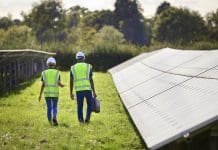
We recently worked with a client planning to install 600 solar panels on its buildings. They had budgeted for VAT at 20% and expected most of it to be a cost they could not recover. When we reviewed the buildings involved, we found the installation should qualify for zero-rating. That freed up the money they had allowed for VAT to spend on other priorities.
The relief will not apply to every solar installation, so the circumstances need checking and the detail is all important. Under current rules, qualifying installations in residential accommodation and buildings used solely for a relevant charitable purpose benefit from a temporary zero rate until 31 March 2027.
For me, the lesson is to question the VAT figure in the budget, especially where the business expects to be unable to claim it back. That figure could influence whether the investment goes ahead or how much is left for other work.
Check the position with customers and subcontractors
Before work starts, establish who will use the building and for what, as this can affect whether VAT relief is available. Contractors also need to check whether their customer is an end user for the construction domestic reverse charge.
Two questions remain: how much VAT is due, and who accounts for it? The rate answers the first, and the reverse charge deals with the second.
Where the reverse charge applies, the customer accounts for VAT rather than paying it to the supplier – it does not apply to zero-rated services.
Broadly speaking, an end user is a business registered for VAT and the Construction Industry Scheme that receives construction services without supplying those services onwards. To use the end-user exclusion, the customer must tell its supplier in writing.
One thing I see in practice is main contractors not checking closely enough whether their subcontractors should be charging them VAT. Each supply needs to be assessed, taking into account the work involved and any conditions that apply to relief.
Contractors should understand the VAT treatment of both the invoices they send and those they receive. If there is uncertainty, raise it before the work begins. It is much easier to resolve any questions upfront, before invoices have been paid.
Think about what happens to the property later
Developers and owners also need to look beyond the building work. Whether they intend to sell, let or keep the property should be part of the VAT discussion.
The option to tax is a good example. It can make otherwise exempt property sales or lettings taxable and may allow VAT on related costs to be recovered. Exceptions apply, though, so recovery is not guaranteed.
Missing that decision can leave a business with VAT costs it cannot recover, but opting unnecessarily can also complicate a later sale. It is worth understanding what the decision means for the property’s future before making it.
We advised on a transfer of land and buildings from a trust to a beneficiary. No payment was being made, but the trust had opted to tax. The proposed arrangements therefore carried a risk of a deemed supply, where VAT could arise even if no money changed hands.
With advice, the transfer went ahead without a VAT cost for either party. The point is straightforward – even a transfer without payment needs its tax position checked.
Know what sits behind the budget
Getting VAT wrong can leave a business facing a significant bill. HMRC can assess underdeclared tax, with interest and potentially penalties adding to the amount due.
My advice is to map out the supply chain before committing to a project. Look at the services being bought and follow the arrangements through to the eventual sale, letting or transfer. At each stage, check what VAT treatment applies, who accounts for it and whether any VAT incurred can be recovered.
Keep a record of how those decisions were reached and if the plans change, go back and check that the original treatment still holds. If the budget includes VAT that cannot be recovered, ask why. It may be correct, but it is worth checking whether relief is available before accepting the cost.
Contractors and developers cannot be expected to know every detail of VAT legislation. They can, however, make sure the assumptions behind their figures have been tested while there is still time to act. As the college project showed, something seemingly inconsequential, like a covered walkway, can make a very expensive difference.