
The journey to net zero is reshaping every aspect of construction. What was once a long-term ambition is now a commercial, regulatory and environmental necessity. Ben Towe, chair of the Light Steel Frame Association, explains why the industry must act now
The challenge facing the construction industry is profound. It must dramatically reduce embodied carbon, improve operational performance, extend the lifespan of buildings and embrace the principles of circular construction – all while continuing to deliver safe, high-quality buildings that are commercially viable.
As the UK Net Zero Carbon Buildings Standard enters its early adoption phase and the Future Homes Standard moves closer to implementation, the construction industry is entering a defining period of change. The focus must now shift from setting ambitious targets to actioning measurable carbon reductions through proven, scalable solutions.
The cost-effective route to net zero
The path to a lower carbon built environment will be defined by the choices made long before construction begins. The structural systems selected at the earliest stages of design have a significant influence on a building’s whole-life carbon impact, delivery programme, performance and long-term value.
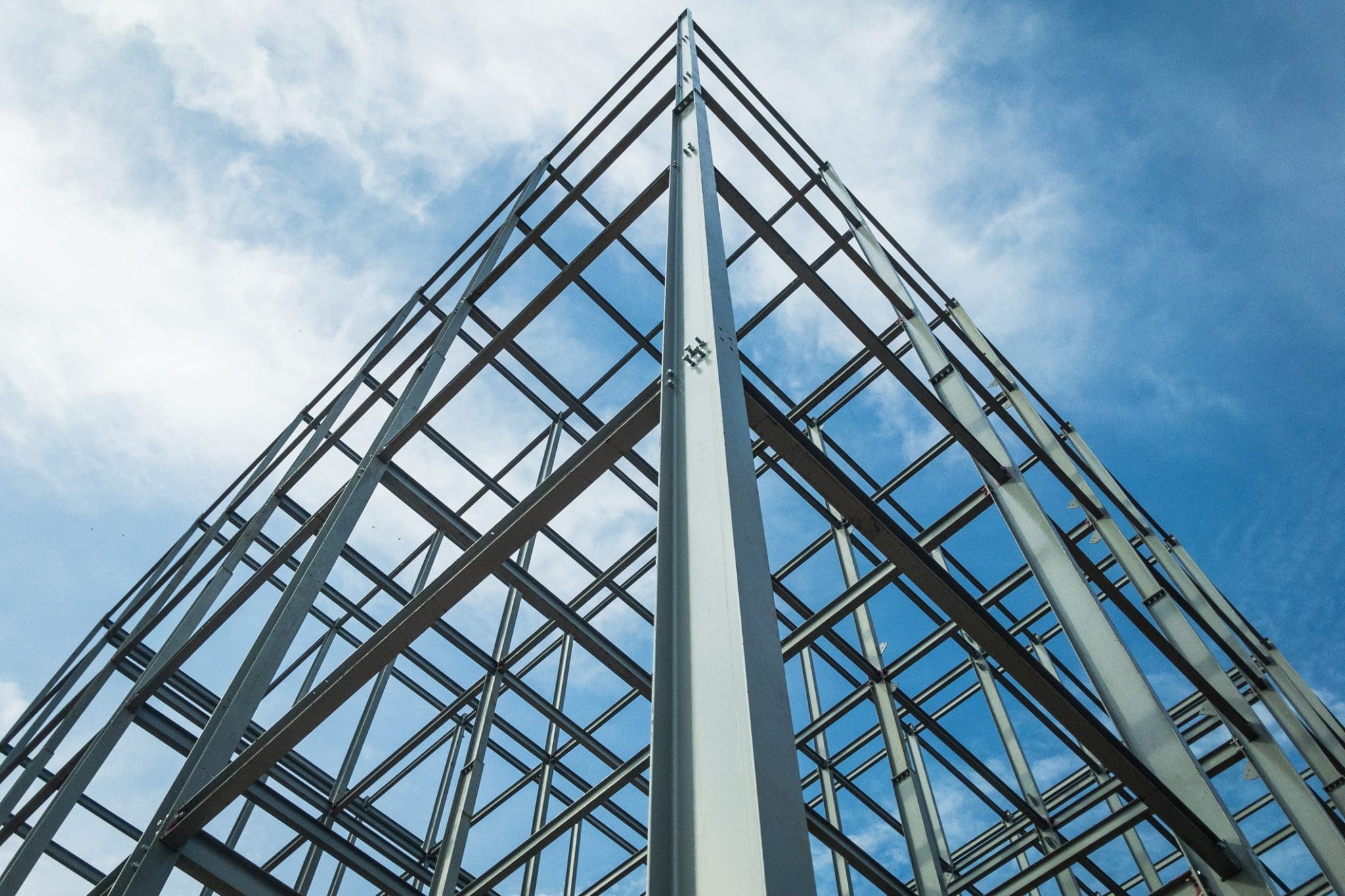
Light steel frame construction is uniquely placed to support this transition. Combining precision engineering, design adaptability and proven performance, it provides a practical and scalable solution for reducing embodied carbon while delivering the safety, quality, durability and commercial certainty that the industry requires.
By making light steel frame a consideration from the outset, projects can unlock significant efficiencies today while creating buildings that are better equipped for a net zero future.
Whole-life carbon
For too long, the net zero conversation has focused primarily on operational energy. While this remains essential, the industry must now place whole-life carbon at the centre of every design decision, considering the environmental impact of buildings from material extraction and manufacture through to construction, occupation, adaptation and end-of-life.
This is where light steel frame construction comes into its own. Steel is one of the world’s most recyclable materials and can be reused or recycled indefinitely without any loss of structural performance.
Today’s light steel frame systems already contain between 60%–90% recycled steel; however, the steel industry is making significant progress towards low-carbon and
near-zero carbon production through technologies such as Electric Arc Furnaces (EAFs) and renewable energy.
A significant milestone in this transition is the new Electric Arc Furnace project at Port Talbot, led by Tata Steel UK. The project is expected to reduce on-site CO₂ emissions
by up to 90% and represents a major step towards establishing a lower-carbon steel supply chain in the UK, with production targeted to begin in 2027.
Combined with intelligent design, these advances reinforce the role of light steel frame as a highly efficient structural solution. Light steel frame can reduce foundation requirements, minimise transport impacts, shorten construction programmes and deliver tangible carbon and cost efficiencies. These are not marginal gains; they are practical, scalable benefits that can help the industry accelerate towards net zero.
Material banks
Rather than viewing buildings as disposable assets, we should begin treating them as material banks. Light steel frame naturally supports this philosophy. Standardised components, predictable structural performance and durable materials allow buildings to be designed for adaptation, disassembly and future reuse.
Light steel structures are ideally suited to extensions, change of use and internal reconfiguration, helping clients avoid the considerable financial and environmental costs
associated with demolition and rebuilding.
According to Steel Construction Institute guidance, light steel systems can achieve design lives of up to 250 years when used within an appropriate warm frame environment.
Sustainability should never compromise safety
Net zero should never come at the expense of safety. As Building Regulations continue to evolve, non-combustible construction materials are playing an increasingly important role. Light steel frame offers exceptional dimensional stability, durability and fire performance, delivering reassurance for developers, insurers, regulators and, most importantly, building occupants.
Transparency will also be critical as sustainability expectations continue to rise. Environmental Product Declarations (EPDs) are already providing independently verified lifecycle data that allows designers and clients to make informed specification decisions.
Looking ahead, Digital Product Passports will further strengthen material traceability, by supporting the golden thread of building information, while unlocking future opportunities for reuse and circular material markets.