

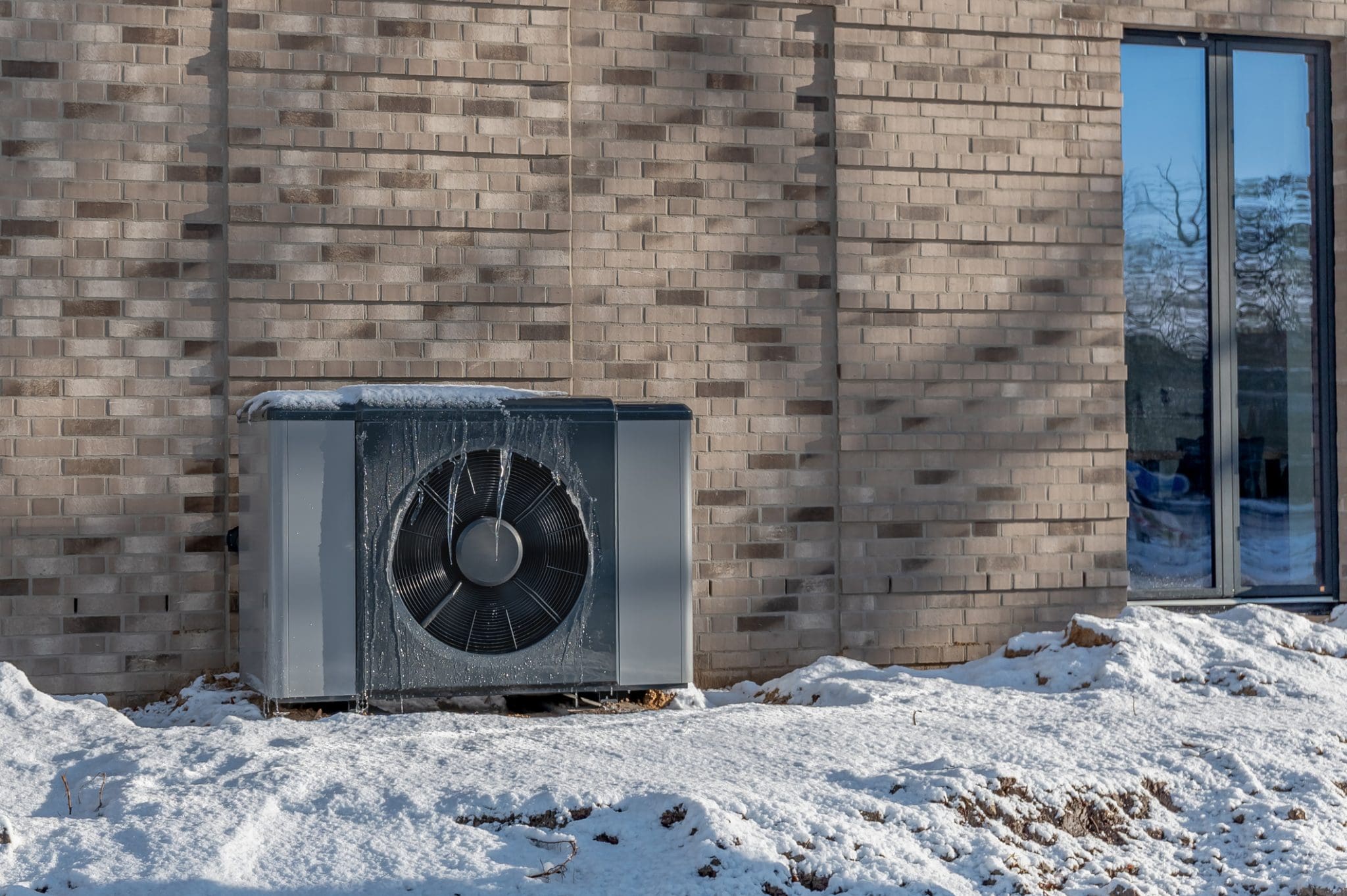
Clear operating advice and reliable records help residents and maintenance teams get to grips with a new heat pump. A well-planned handover should prepare both for the first heating season when winter hits
A resident moves into a home with a new heat pump, a folder of manuals and a heating system that behaves differently from the one they knew. When the first cold spell arrives, knowing which setting to change can matter as much to them as the equipment specification.
For housing providers and project teams, handover is the opportunity to make that transition easier. Residents need confidence in the controls, while maintenance teams need reliable information about what was installed and how it was set up.
The MCS handover document records key details including capacity, heating demand, design flow temperature and seasonal coefficient of performance at that temperature. Alongside the applicable scheme and manufacturer requirements, it provides a starting point for the records that will support the system in use.
Demonstrate heat pump controls in the home
A demonstration on the installed controls gives the resident something a manual alone cannot: a chance to try the everyday functions and ask questions. They should be able to find the normal temperature setting, understand the agreed schedule and recognise where a fault message appears.
The installer can explain which adjustments are intended for the household and which need technical support. Recording the chosen settings also gives the maintenance team a reference if questions arise later.
Energy Saving Trust’s operating guidance explains how weather compensation relates the heating system’s flow temperature to conditions outdoors. Suitable running periods and lower flow temperatures can improve efficiency, but the arrangement needs to suit the property and maintain comfort.
No single setting fits every home. Space heating also needs to be explained separately from hot-water and hygiene controls, so residents understand why protective functions should not be disabled to reduce a bill.
Make the documents specific to the property
The maintenance provider needs to identify the actual unit and controls, find the commissioning records and understand any changes made during installation. A pack containing information for an earlier design can send a service visit in the wrong direction.
For a housing scheme with several homes, a consistent index makes records easier to navigate. The details inside it still need checking property by property. A late substitution in one home should not disappear into a standard pack copied across the development.
Linking those records to the equipment also makes future changes easier to follow. When a component is replaced, the next person working on the system should be able to see what changed and which information now applies.
Explain what the performance figures mean
A household’s electricity bill and a heat pump’s efficiency describe different things. The bill depends on the energy used and the price paid for it; a performance ratio compares heat delivered with electricity consumed over a defined period and system boundary.
The MCS best-practice guide hosted by Energy Saving Trust explains the distinction between instantaneous and seasonal performance. That distinction matters when interpreting a brief display reading alongside a longer-term estimate.
For example, 9,000kWh of heat divided by 3,000kWh of electricity gives a ratio of three, provided the readings cover the same period and an appropriate, stated boundary. This is a simple illustration, not a forecast for the resident’s home.
A cheaper electricity tariff can lower a bill without changing the equipment’s efficiency. Equally, colder weather or different household demand can increase consumption. Understanding these factors is needed before treating a higher bill as evidence of a fault.
Give residents a clear route to help
When a room stays cold, the household needs to know whom to contact and what information to provide. The affected room, control setting, approximate time, and any fault message give the service team a more useful starting point than a general report that the heating is not working.
Explain urgent situations in line with the supplier’s instructions. Any promised follow-up visit also needs a named contact and a clear account of what it covers, so the resident knows whether it is being arranged or needs booking.
The first heating season then becomes a chance for the housing provider to improve the next handover. Repeated questions may reveal an unclear explanation or a missing document. Feeding those findings back to the installer and procurement team can make the next resident’s first winter easier.